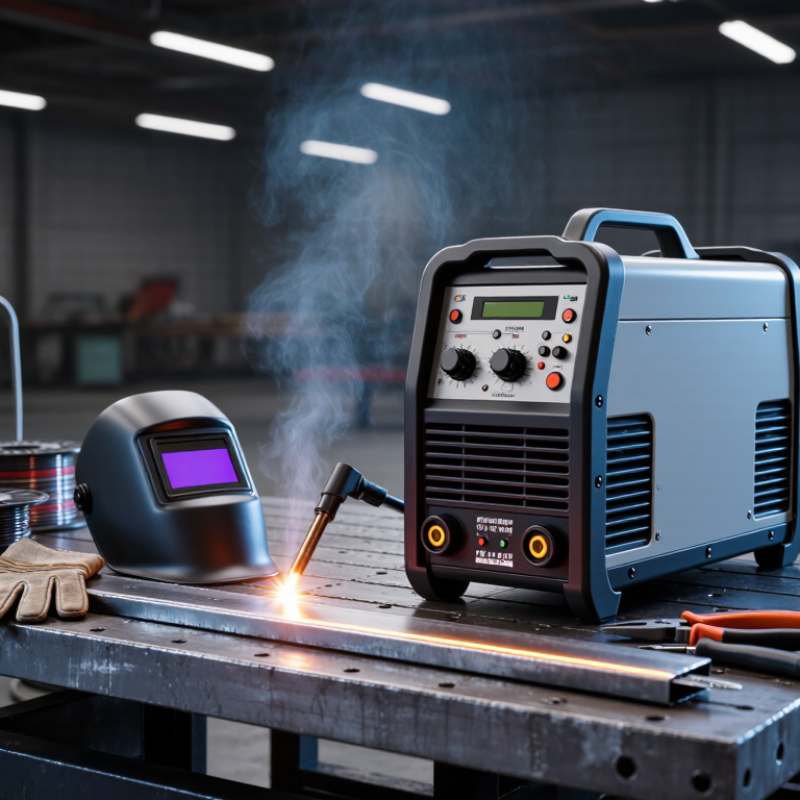
A 2026 gas metal arc welder should prove compliance, not merely advertise power.
IEC 60974-1 defines safety and performance requirements for arc welding power sources. Ask for the latest test report, rated duty cycle, output tolerances, and protective-device records. A 400-amp label means little if testing used unrealistic ambient conditions. That matters.
ISO 5817 evaluates weld imperfections through quality levels B, C, and D. Level B is the most demanding. However, the standard assesses finished weld quality, not the machine alone. Buyers should request sample welds, visual inspection records, and procedure qualification evidence. Check a fillet weld under consistent lighting. Look for undercut, pores, uneven toes, and unstable penetration. Records matter.
AWS D1.1 applies mainly to structural steel welding in projects using its specified requirements. It may require qualified procedures, approved operators, and documented inspections. Do not treat it as a universal machine certificate. The International Federation of Robotics reported 541,302 industrial robots installed globally in 2023, showing how repeatable production is expanding. A modern welder should therefore support stable wire feeding, saved parameters, and traceable calibration. Yet automation can hide poor setup. I would still verify arc starts, gas flow, voltage accuracy, and duty-cycle behavior on the intended material. Supplier documents should identify test methods, laboratories, revision dates, and applicable markets. Some certificates look complete but omit the exact model configuration. That gap deserves questions.