Blog

How to Choose the Best New Machinery for Your Business?

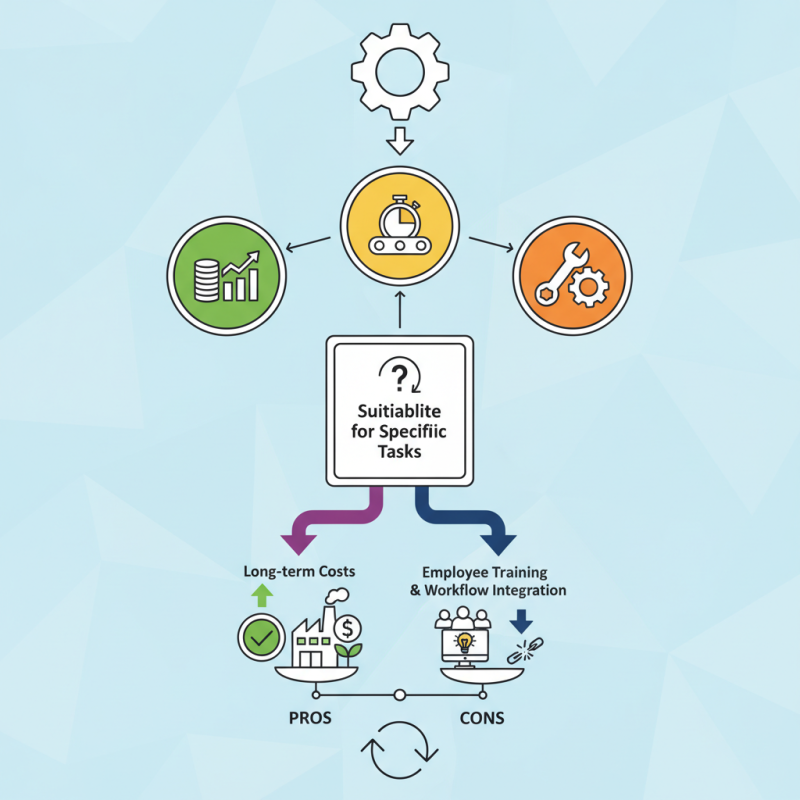
Choosing the right machinery is crucial for any business. "Maquinarias Nuevas" not only impacts productivity but also affects the bottom line. Businesses must consider various factors when selecting new equipment. Factors include cost, efficiency, and suitability for specific tasks.

Investing in the latest machinery can seem daunting. Many options exist, each promising different benefits. It's easy to get lost in technical specifications. Sometimes, businesses overlook essential features that suit their operations. For example, a machine's maintenance requirements can significantly affect long-term costs.

Additionally, it’s essential to evaluate how new machinery fits into your existing workflow. Understanding employee training needs is vital. Without proper handling, even the best equipment can become an asset turned liability. Realistically, weighing the pros and cons requires honest reflection on your needs and capabilities.
How to Choose the Best New Machinery for Your Business?

Identifying Your Business Needs and Goals for New Machinery

Identifying the needs and goals of your business is crucial when selecting new machinery. Start by analyzing your current workflows. Identify bottlenecks that slow down production or increase costs. Are there tasks that are repetitive or require too much manual labor? This is where new machinery can make a significant impact. For instance, automating tasks can reduce errors and boost efficiency.

Next, consider the future growth of your business. Will this machinery support scaling operations? Think about how your business might evolve over the next few years. You want to invest in machinery that adapts to changing demands. Sometimes, businesses overlook the long-term value of flexibility and scalability. Reflecting on past choices can help guide this decision. Reassess whether previous investments truly met evolving needs. This reflection can prevent costly mistakes when choosing new technology.

Evaluating Types of Machinery Suitable for Your Industry

When choosing new machinery, consider the specific requirements of your industry. Different industries have unique demands. A manufacturing business may need heavy-duty equipment. In contrast, a food processing company might prioritize hygiene and ease of cleaning.

Tips: Assess the necessary features for your operations. For example, understand if automation or manual operation is better for your production line.

Evaluate the machinery’s efficiency and maintenance needs. Some machines require more upkeep, which can affect your budget. It’s crucial to consider the learning curve for staff. Investing in user-friendly machinery can save time and reduce training costs.

Tips: Think about the available space for new machinery. Ensure there is enough room to operate safely. Reflect on how machinery will fit into your existing processes. Misalignment can lead to unnecessary delays or production issues.

Analyzing Budget Constraints and Financing Options

Choosing the right machinery is crucial for your business. However, budget constraints often complicate the decision. Many businesses overlook the total cost of ownership. This includes maintenance, repairs, and operational costs. Understanding these factors can prevent financial strain later on.

Financing options are varied but can be confusing. Leasing machinery can conserve cash flow, allowing for upgrades every few years. On the other hand, purchasing outright requires a larger initial investment. You must weigh your options carefully. Sometimes, a less advanced model fits your needs better without breaking the bank.

Relying solely on initial costs can lead to regret. Reflecting on long-term needs is essential. Will the machinery grow with your business? Are there hidden costs that might emerge? Take the time to evaluate all aspects before making a decision. Remember, the right choice today could save you from future headaches.

Researching Suppliers and Assessing Their Reputation

When choosing new machinery for your business, researching suppliers is critical. Start by evaluating their reputation in the market. Look for online reviews from previous customers. This can give insight into reliability and service levels. Not all feedback will be positive, which is normal. Scrutinizing both good and bad reviews will help paint a clearer picture.

Next, consider the supplier's track record. Have they been in business for years? A long history often indicates stability. However, newer suppliers might offer innovative solutions. Balance experience with fresh ideas. Reach out directly to past clients if possible. Their firsthand experiences will reveal much.

It’s also essential to assess their support services. After purchasing machinery, will they provide training and maintenance? If their support structure is lacking, you might face challenges later. Every detail matters; even small oversights can lead to costly mistakes. Be thorough in your research. The right supplier can significantly affect your business success.

How to Choose the Best New Machinery for Your Business?

Supplier Product Type Reputation Score (out of 10) Years in Business Customer Support Rating (out of 5)
Supplier A Excavators 9 15 4.8
Supplier B Forklifts 8 10 4.5
Supplier C Cranes 7 20 4.2
Supplier D Bulldozers 10 12 4.7
Supplier E Backhoes 9 8 4.6

Testing and Comparing Machinery Features and Performance

When selecting new machinery for your business, testing and comparing features and performance are crucial. Decide on the core functions you need. Think about efficiency and durability. Create a list of must-have features. Test machines in real-life scenarios, if possible. Observing how they perform in your work environment is invaluable.

**Tip:** Always record your findings. Make notes on speed, ease of use, and energy consumption. Consider the noise level too. It affects productivity and comfort.

Don’t forget to involve your team in the selection process. Their feedback can highlight features you might overlook. Compare machinery side by side. Look for differences in performance, not just specifications. A machine that looks good on paper may underperform in practice.

**Tip:** Invest time in demos. You want to witness how the machinery operates. Watch for any issues. These early observations can prevent costly mistakes later.

Comparison of Machinery Features and Performance