Blog

Why Choose a Compact Wheel Loader for Your Construction Needs?

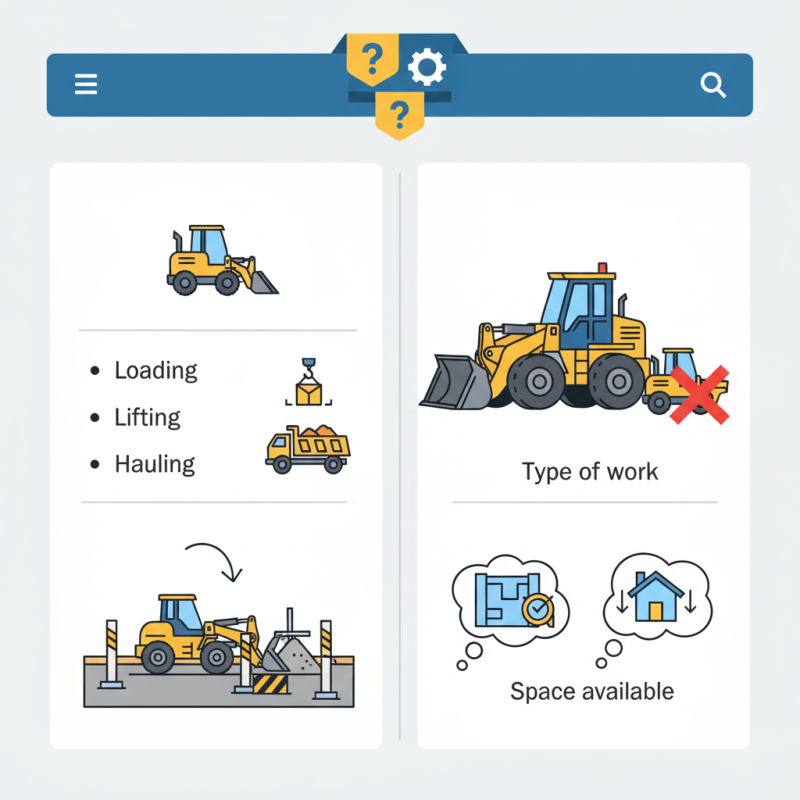
When considering construction equipment, the choice of a Compact Wheel Loader stands out. This versatile machine becomes an essential asset on various job sites. It's designed for efficiency, handling tasks like loading, lifting, and hauling materials with ease. Compact Wheel Loaders are smaller than traditional models, making them more maneuverable in tight spaces.

Their design allows for greater flexibility on the job, especially when navigating crowded construction areas. These loaders can easily transition between different tasks, saving time and labor costs. However, while they excel in many areas, they may not always replace larger loaders for heavy-duty applications. There might be limitations in power and capacity compared to their full-sized counterparts.

Choosing a Compact Wheel Loader requires careful consideration of your specific needs. Think about the type of work and the space available. Reflecting on these factors will help ensure that you select the right equipment for your construction projects.
Why Choose a Compact Wheel Loader for Your Construction Needs?

Benefits of Compact Wheel Loaders in Construction Projects

Compact wheel loaders are becoming vital for construction projects. Their versatility and efficiency make them ideal for various tasks. They can easily navigate tight spaces on job sites. This feature is essential for urban projects where space is limited. With a compact design, they can maneuver around other equipment and obstacles effectively.

These machines perform multiple functions. They can lift, transport, and load materials with ease. Operators find that they can switch attachments quickly, boosting productivity. However, the operators’ skill plays a crucial role. A less experienced operator may struggle with the machine's controls. This highlights the importance of training and practice.

Fuel efficiency is another key benefit. Compact wheel loaders consume less fuel than larger models. This can lead to significant cost savings over time. However, it's important to maintain the machinery regularly. Neglecting maintenance could result in reduced efficiency. Overall, ensuring regular checks is essential for optimal performance in the field.

Key Features to Look for in a Compact Wheel Loader

When selecting a compact wheel loader, key features can significantly impact performance. A strong lifting capacity is essential. Operators need to handle heavy materials efficiently. Look for models that can lift at least 2,000 pounds. This ensures the loader can tackle a variety of tasks on the job site.

Maneuverability is another critical aspect. Compact wheel loaders should have a small turning radius. This feature allows the machinery to navigate tight spaces easily. Additionally, consider the attachment options available. Versatile attachments like buckets and forks can expand the loader’s capabilities. Operators can switch tools quickly, which enhances productivity.

Comfort and visibility also matter. A spacious cab leads to better operator performance. Large windows offer clear sightlines, improving safety. However, not all models prioritize operator comfort, so it’s important to test them out. Many users notice that inadequate seating can lead to fatigue. This affects overall efficiency, making comfort a key feature to evaluate. Choosing a compact wheel loader isn't just about specs; it's about how those features can affect daily operations on the construction site.

Comparing Compact Wheel Loaders to Traditional Heavy Equipment

When considering equipment for construction, compact wheel loaders stand out against traditional heavy machinery. These agile machines excel in tight spaces, making them perfect for urban sites or small projects. They can easily maneuver around obstacles, reducing the risk of damage to surrounding areas.

Compact wheel loaders are lighter and more versatile. They often consume less fuel while still providing impressive power. This efficiency can result in substantial savings over time. However, operators must be mindful of their limitations. Heavy tasks might require larger machinery to ensure effective performance.

Tips for choosing the right compact loader include assessing job site conditions. Consider the terrain and space available. Understand the material handling and lifting needs for your project. Also, invest time in training operators. Proper handling maximizes machine potential and minimizes wear. Remember, not all projects need heavy equipment. Sometimes, a compact solution is all you need.

Cost-Effectiveness and Efficiency of Compact Wheel Loaders

Compact wheel loaders are becoming popular in construction projects. Their cost-effectiveness stands out in today's competitive market. According to a recent industry report, compact wheel loaders can reduce operation costs by up to 30% compared to larger models. This is essential for budget-conscious contractors.

Efficiency is another key advantage. Compact models are designed for versatility and can navigate tight spaces easily. This ability often leads to faster project completion. Some studies show that productivity increases by 20% when using compact wheel loaders in urban environments.

However, challenges exist in terms of load capacity. While they are lighter and smaller, their payload capabilities are lower than traditional models. This can slow down larger projects. Moreover, operators need training to maximize the use of these machines effectively. Balancing compactness with power requires careful consideration.

Application Versatility of Compact Wheel Loaders in Different Environments

Compact wheel loaders are increasingly popular on construction sites. Their versatility allows them to perform various tasks in different environments. They excel in tight spaces, where larger machinery cannot operate. These machines can easily navigate between buildings and around obstacles. Their compact size does not compromise power; they handle heavy loads efficiently.

In urban settings, compact wheel loaders are a game changer. They can transport materials while minimizing damage to surrounding areas. Their ability to attach different implements enhances their functionality. For example, they can switch from a bucket to a grapple with ease. This adaptability saves time and money, yet it requires careful management.

However, like all equipment, they have limitations. Operators must be skilled to maximize their potential. There may be times when a compact loader struggles with particularly heavy or bulky materials. Recognizing when to switch to larger machinery is crucial. It ensures the job remains efficient without risking equipment breakdown.

Why Choose a Compact Wheel Loader for Your Construction Needs? - Application Versatility of Compact Wheel Loaders in Different Environments

Application Area Compact Wheel Loader Features Advantages
Landscaping Compact size, maneuverability Ideal for tight spaces, reduces soil compaction
Construction Attachments compatibility Versatile for multiple tasks such as lifting and hauling
Agriculture High lifting capacity, strong hydraulics Efficient for transporting materials like soil and fertilizers
Demolition Robust framework, stability Handles debris and heavy loads with ease
Snow Removal Equipped with plows and snow blowers Effective in clearing snow in residential and commercial areas