Blog

Why Choose Flexible PCBs for Your Electronic Projects?

Flexible Pcbs have become a game-changer in the electronics industry. Leading expert, Dr. Emily Johnson, once said, "The adaptability of flexible PCBs opens new pathways for innovation." This adaptability allows engineers to create designs that were once thought impossible.

Flexible PCBs are lightweight and can fit into tight spaces, making them ideal for complex devices. They reduce the need for connectors and save assembly time. However, choosing the right material is critical, as not all flexible PCBs can withstand stress or temperature variations effectively.

Yet, despite their advantages, flexible PCBs also present challenges. They require precise fabrication techniques, which can lead to higher costs. Moreover, not all companies understand their full potential. This gap in knowledge can hinder progress. As the industry evolves, embracing flexible PCBs will play a crucial role in shaping future electronic designs.
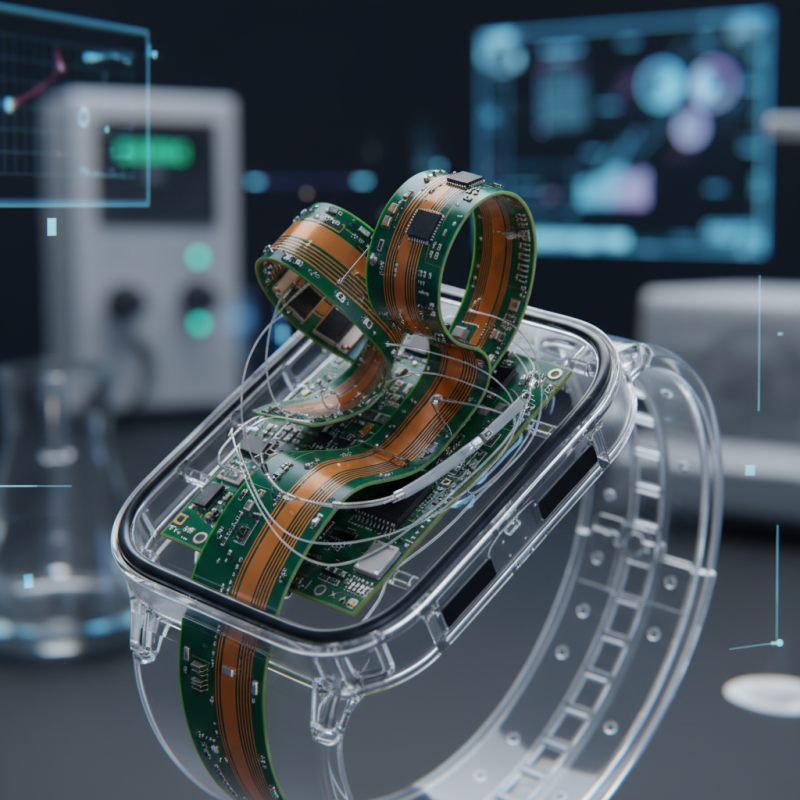
Why Choose Flexible PCBs for Your Electronic Projects?

Benefits of Flexible PCBs in Modern Electronics Design

Flexible PCBs have transformed modern electronics design. They offer numerous advantages over traditional rigid boards. First, their lightweight and thin profile allow for greater flexibility in product design. This can lead to more compact devices, which many consumers prefer.

When considering flexible PCBs, think about space constraints. They can fit into tighter spaces where rigid boards cannot. This is crucial for wearables and innovative gadgets. However, the manufacturing process can be more complex. It requires precision and a clear understanding of design requirements. If you're new to this, ensure you’re prepared for challenges.

Tips: Choose the right materials carefully. Not every project needs flexible PCBs. Analyze your device needs before deciding. You might discover that a traditional option suffices. Additionally, evaluate prototypes frequently. Iterating on design early can save time and costs later. Flexibility in design could lead to unexpected results, good or bad. Embrace the imperfections; they'll guide your improvement process.

Comparative Analysis: Flexible PCBs vs. Rigid PCBs in Performance

Flexible PCBs offer a unique advantage over rigid counterparts in various electronic applications. Their adaptability makes them ideal for devices with limited space. They bend and twist, fitting seamlessly into tight spots. This flexibility can enhance device design, creating compact forms. Additionally, flexible PCBs typically weigh less than rigid ones. This reduction in weight can improve overall device portability.

In terms of performance, flexible PCBs excel in specific environments. They can withstand vibrations and temperature fluctuations better than rigid designs. This resilience is crucial in applications like wearable technology. However, their manufacturing process can pose challenges. It often requires precision and a keen eye for detail that may not always be achievable. Sometimes, imperfections can arise during production, which can affect their reliability.

While rigid PCBs have their own robust features, they lack the versatility of flexible designs. Rigid boards struggle in applications that require movement or bending. This limitation can restrict design innovation. However, flexible PCBs may encounter issues with long-term durability if not properly engineered. Balancing flexibility with robustness remains a key consideration for designers when choosing the right type for their projects.

Market Trends: Adoption Rates of Flexible PCB Technology in 2023

The adoption of flexible printed circuit boards (PCBs) is on the rise in 2023. Recent industry reports indicate that the flexible PCB market is expected to grow at a CAGR of 10% this year. This growth is driven by several sectors, including medical devices and consumer electronics. As industries evolve, the need for lightweight and space-saving designs becomes crucial.

Flexible PCBs provide significant advantages over traditional rigid boards. They can be bent and shaped to fit constrained spaces, allowing for innovative product designs. For example, wearable health monitors require compact designs, often achieved through flexible PCBs. These boards often show less susceptibility to damage under stress. However, some engineering teams are still hesitant to adopt this technology. Concerns about manufacturing consistency and initial costs linger.

Market trends suggest a growing acceptance of flexible PCBs. Analysts report that approximately 60% of electronics manufacturers are now integrating flexible technology into their designs. Yet, challenges remain. The complexity of production and material choices can dissuade some projects. Not all applications benefit equally from flexibility. Understanding the right balance is essential for effective implementation.

Cost Efficiency: How Flexible PCBs Reduce Manufacturing Expenses

Flexible PCBs have become increasingly popular among engineers and designers. Their adaptability allows for innovative designs in tight spaces. This is significant for modern electronic projects, where size and weight are critical. By choosing flexible PCBs, you can streamline complex designs without compromising functionality.

Cost efficiency is a major advantage of flexible PCBs. They often reduce manufacturing expenses significantly. This is due to fewer materials required for assembly. Additionally, their lightweight nature can lower shipping costs. In design processes, less wasted materials mean better resource management. Choosing these boards may also cut down production time. However, the initial design and programming can be complex. This complexity may require additional, unforeseen costs that must be considered.

Moreover, unlike rigid boards, flexible PCBs can endure more stress in various environments. They can be bent or twisted during installation without damage. This longevity often offsets higher upfront costs. Yet, with the growing demand, some manufacturers struggle to maintain quality. Relying on flexible PCBs launches exciting potential but also invites challenges. Thoughtful planning is necessary to maximize the advantages.

Applications of Flexible PCBs in Emerging Technologies and Industries

Flexible PCBs are revolutionizing various industries with their unique properties. They can bend, twist, and fold, making them ideal for compact designs. In the medical field, these adaptable circuits are crucial for wearable health devices. They help monitor vital signs without being bulky. This design improves comfort for patients.

In the consumer electronics sector, flexible PCBs enhance user experience. Think about smartphones and other portable gadgets. They allow for innovative shapes and efficient space usage. However, the manufacturing process can be tricky. Companies sometimes face challenges with durability and reliability.

Tips: Consider scalability when designing your project. Test prototypes thoroughly before mass production. Ensure your team understands the strengths and weaknesses of flexible PCBs. This approach can save time and resources in the long run.

Applications of Flexible PCBs in Emerging Technologies

Article Source: