How to Choose the Best Belt Conveyor Roller Manufacturers?
Roller materials strongly influence service life, noise, and maintenance frequency. Carbon steel suits heavy loads and controlled indoor environments. Stainless steel performs better where moisture or cleaning chemicals are present. Polymer rollers reduce noise, but their load limits need careful checking. Material choice is rarely simple.
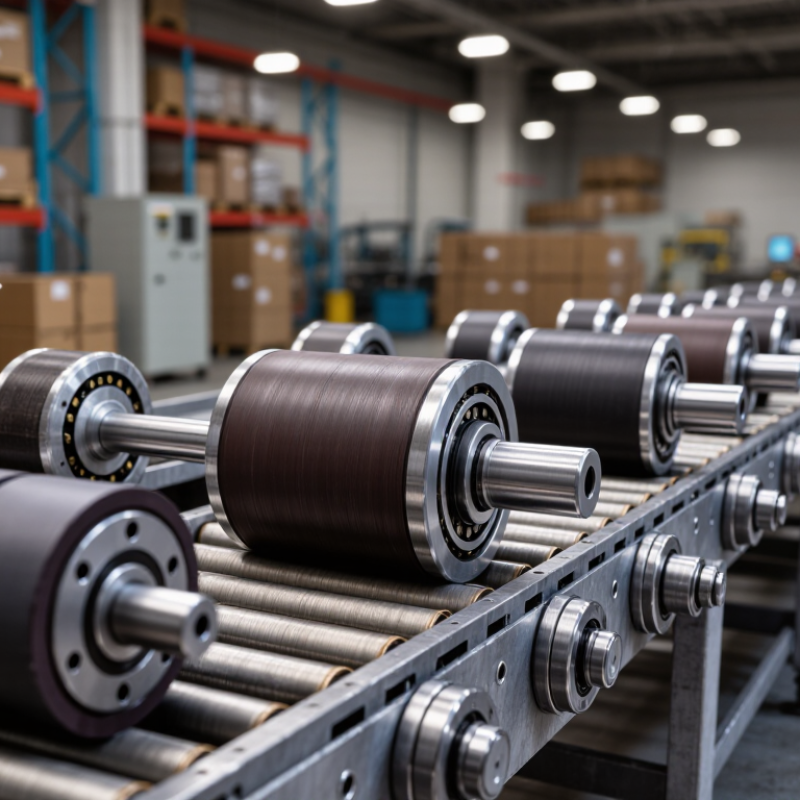
Roller design also affects belt tracking and energy use. Sealed bearings help block dust and water. Labyrinth seals can support demanding industrial conditions. A crowned roller may improve tracking, although poor alignment can still damage the belt. I have found that small runout errors become obvious during long operating shifts. Ask for measured runout, bearing ratings, shaft dimensions, and dynamic load results.
Performance standards provide a useful comparison between manufacturers. Request testing based on relevant ISO, EN, or CEMA guidance. Check radial load capacity, rotational resistance, noise, temperature range, and corrosion performance. Test reports should identify equipment, methods, and acceptance limits. A certificate alone proves little. Traceability matters more. Review ISO 9001-based quality controls, inspection records, and sample consistency. Field references can reveal weaknesses that factory brochures omit. One overlooked detail is cleaning access. If maintenance crews cannot reach the bearing area, even a strong design may become expensive.