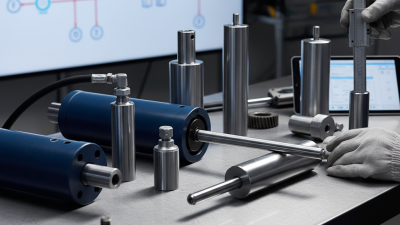
Choosing the right hydraulic cylinders is crucial for various applications. These components are essential in many industries, from construction to manufacturing. They enable machinery to perform tasks by converting hydraulic pressure into mechanical force.
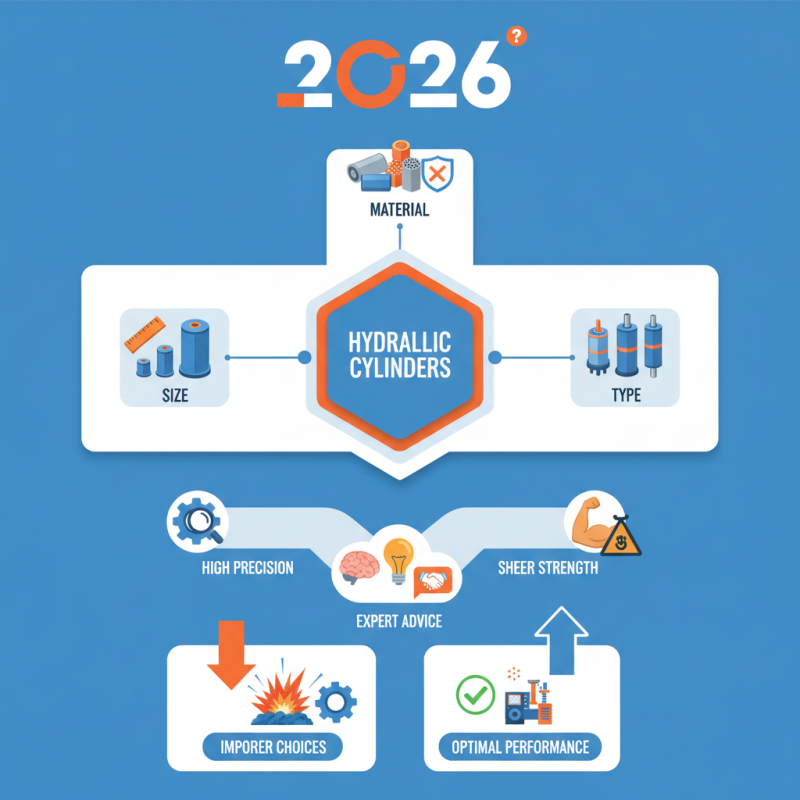
When considering hydraulic cylinders, factors like size, material, and type are vital. Not all hydraulic cylinders are the same. The demands of different setups can vary significantly. Some may require high precision, while others focus on sheer strength.
Selecting the best option can seem overwhelming. Improper choices can lead to inefficiencies or equipment failure. It's important to analyze specific needs carefully. Expert advice can be beneficial in making informed decisions. Understanding these variables helps ensure optimal performance of your hydraulic systems.
When selecting hydraulic cylinders, understanding their basics is crucial.
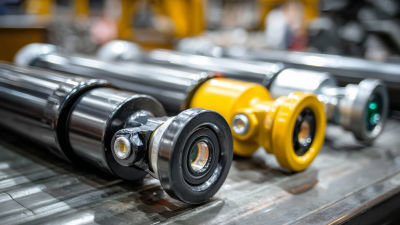
Hydraulic cylinders are devices that convert hydraulic energy into mechanical force. They consist of a piston, cylinder barrel, and end caps. Each component plays a vital role in the function of the cylinder. Knowing how these parts work together helps in assessing their efficiency and compatibility with your specific needs.
There are various types of hydraulic cylinders available. Each type serves different purposes. For instance, single-acting cylinders push in one direction only. They are simple and cost-effective, suitable for light loads. Double-acting cylinders, on the other hand, offer versatility. They can push and pull, making them ideal for more demanding applications. Understanding these core differences can be overwhelming. Mistakes in choosing the right type can lead to mechanical failures.
Consider the working conditions and load requirements when making your choice. Environment factors, such as temperature and exposure to elements, impact performance. Additionally, check the specifications closely. Misleading data can lead you to an unsuitable choice that doesn't fulfill your project's needs. Being attentive to these details is essential for achieving optimal performance with hydraulic cylinders.
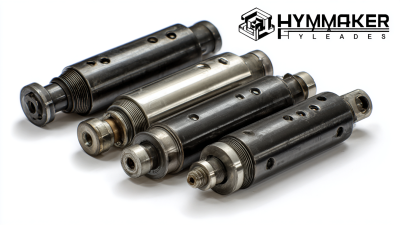
When selecting hydraulic cylinders, load capacity is crucial. Understanding the specific load requirements of your application is essential. A well-documented industry report from the International Fluid Power Society indicates that improper load calculations can lead to equipment failures. In fact, over 30% of hydraulic equipment malfunctions stem from using incorrect cylinder specifications. This reflects the necessity of precise evaluations.
Performance specifications are equally important. Factors such as stroke length, pressure rating, and speed impact cylinder effectiveness. A recent study highlighted that at lower temperatures, the performance of hydraulic fluids can change significantly. This underlines the need for careful consideration of environmental factors when making your choice.
Real-world applications can often challenge theoretical specifications. For instance, a cylinder may theoretically support a certain load but fail in harsh conditions. Therefore, testing under actual operational conditions is vital. Ensuring that your chosen hydraulic cylinder aligns with the real demands of your machinery can prevent costly downtime. This evaluation is not just about meeting numerical specifications; it’s about ensuring reliability and longevity in demanding environments.
| Cylinder Type | Load Capacity (tons) | Bore Diameter (mm) | Stroke Length (mm) | Operating Pressure (bar) | Material |
|---|---|---|---|---|---|
| Single Acting | 10 | 63 | 500 | 200 | Steel |
| Double Acting | 20 | 80 | 700 | 250 | Aluminum |
| Tie Rod Cylinder | 15 | 100 | 600 | 220 | Cast Iron |
| Compact Cylinder | 5 | 40 | 300 | 180 | Stainless Steel |
When selecting hydraulic cylinders, understanding the factors that influence cylinder length and stroke requirements is essential. The choice of length directly affects the operations, like lifting or pushing forces. A study by the International Fluid Power Society highlights that improper sizing can lead to a 30% reduction in efficiency. This inefficiency often results from mismatched stroke requirements. For example, a longer stroke than necessary can incur extra cost without added value.
Stroke requirements depend on the application. If a project requires significant vertical movement, cylinders must meet those demands. Industry reports indicate that projects with poorly calculated stroke lengths can lead to increased wear and tear. This wear often shortens the lifespan of cylinders, prompting costly replacements. Engineers often face challenges in balancing space constraints and performance needs, leading to a need for more careful planning.
Moreover, environmental conditions significantly affect cylinder choices. Temperature extremes can alter the performance of hydraulic fluids. According to the Fluid Power Journal, operational temperatures exceeding recommended limits may compromise cylinder integrity. Striking a balance between the ideal cylinder length and operational needs can be tricky. This complexity demands regular assessments to avoid costly errors and ensure optimal performance throughout the cylinder's lifespan.
This chart illustrates the critical specifications to consider when selecting hydraulic cylinders, including cylinder length, stroke length, load capacity, and working pressure. Evaluating these factors helps ensure that the chosen cylinder meets operational requirements effectively.
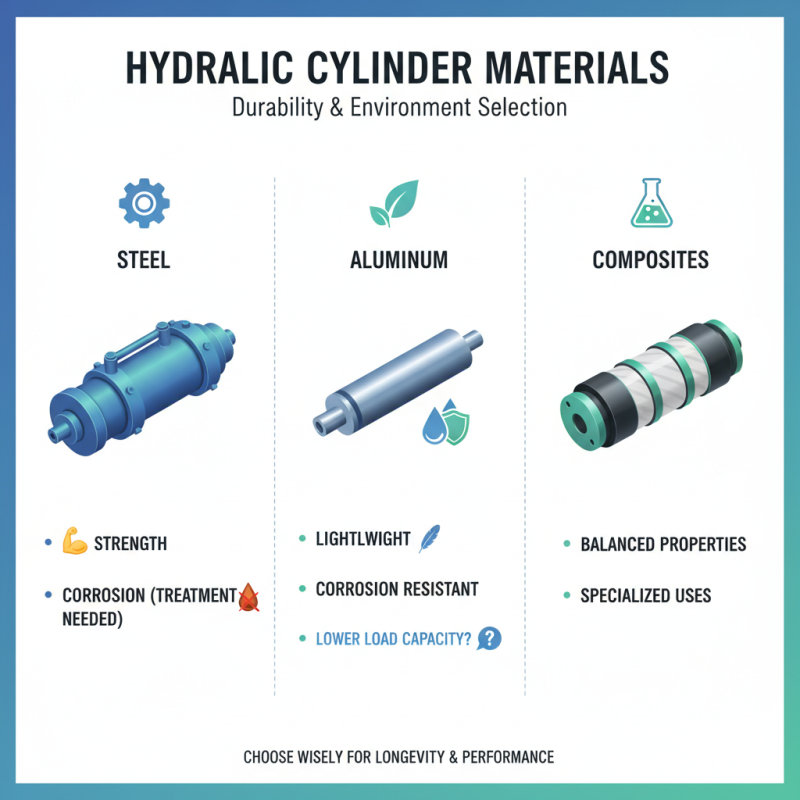
When selecting hydraulic cylinders, material choice is crucial for durability and suitability to the environment. Common materials include steel, aluminum, and composites. Steel provides strength but may corrode without proper treatment. Aluminum is lightweight and resistant to corrosion, making it suitable for many applications. However, it may not handle heavy loads as effectively.
Environmental conditions also affect material selection. For instance, exposure to chemicals or extreme temperatures can weaken certain materials. In such situations, stainless steel or special coatings might be necessary. Engineers should consider these elements carefully to avoid premature failure. Ensuring the right material can save time and costs in the long run.
While choices can seem straightforward, reflecting on long-term performance and environmental impact is important. Many businesses overlook maintenance, leading to failures that could have been prevented. Regular assessments of the materials in use are essential. This helps ensure they meet evolving operational demands and environmental challenges.
Choosing the right hydraulic cylinders is essential for optimizing performance in various applications. Understanding compatible actuation systems and accessories is a crucial first step. According to a 2021 industry report, nearly 65% of machinery failures can be traced back to mismatched components. Therefore, careful evaluation of compatibility is vital.
When selecting hydraulic cylinders, it’s important to consider the actuation system’s requirements. For instance, the mounting type, stroke length, and cylinder pressure ratings must align. A mismatch can lead to reduced efficiency or even safety hazards. A 2022 survey revealed that 30% of users experienced performance issues due to improper accessory integration, highlighting the need for precision in component selection.
Additionally, accessories such as sensors and accumulators can enhance hydraulic systems. Implementing advanced technology ensures better monitoring and control. However, integrating these accessories requires a thoughtful approach. Some operators overlook the hydraulic fluid's compatibility with both the cylinder and accessories. This oversight can result in significant downtime and costly repairs, further complicating maintenance procedures. Understanding these dynamics ensures that the hydraulic system performs reliably and lasts longer under operational stresses.