Blog

How to Choose the Right Casting Components for Your Needs?

Casting Components play a crucial role in various industries, from manufacturing to automotive applications. According to a recent industry report by Grand View Research, the global metal casting market is projected to reach USD 263.3 billion by 2027. This growth signals a rising demand for high-quality casting components tailored to specific needs. Understanding the diverse types of materials, such as aluminum, iron, and magnesium, is essential for effective decision-making.

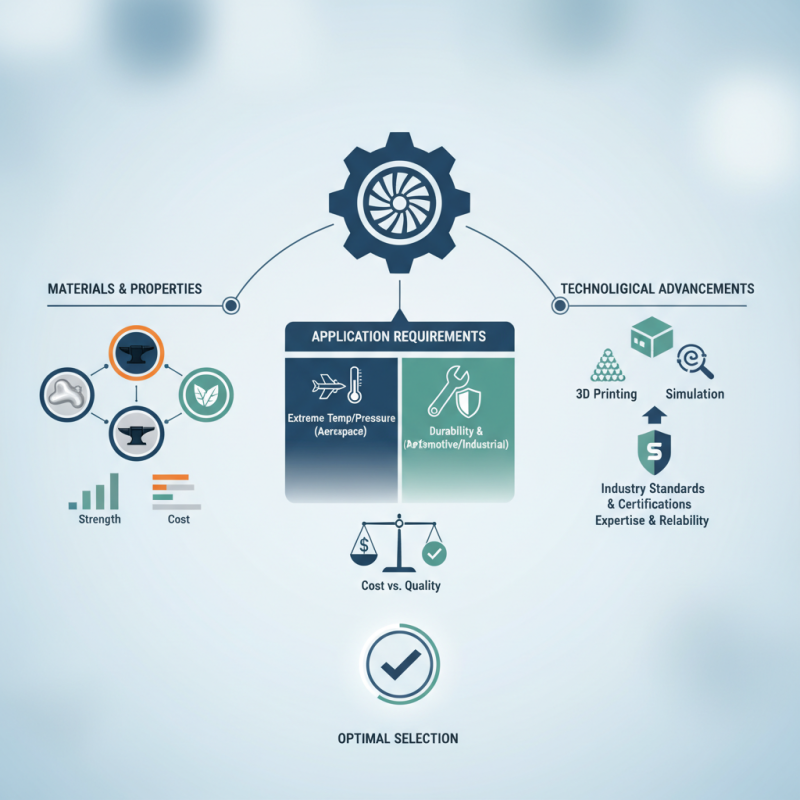
Selecting the right casting components requires careful consideration of performance characteristics and application requirements. For instance, components designed for aerospace applications must withstand extreme temperatures and pressures. Many manufacturers struggle with achieving the optimal balance between cost and quality. This often leads to compromises that can impact product durability and overall performance.

Decisions regarding casting components should also consider technological advancements. The integration of 3D printing and simulation technologies is transforming how casting components are designed and manufactured. However, many organizations face challenges in adapting to these innovations. Ensuring that the casting components meet industry standards and specifications remains a key concern, demanding a level of expertise and reliability in the selection process.
How to Choose the Right Casting Components for Your Needs?

Understanding Different Types of Casting Components Available

When selecting casting components, understanding their various types is crucial. There are several common materials used in casting, including aluminum, iron, and steel. Each material serves specific applications. For instance, aluminum is lightweight and resistant to corrosion, making it ideal for automotive parts. Iron, on the other hand, offers strength and durability in construction projects.

According to a 2022 industry report by Grand View Research, the global casting market was valued at approximately $200 billion, with a projected annual growth rate of 5.8%. This growth reflects a rising demand for high-quality casting components across multiple industries. While these figures suggest robust market dynamics, challenges remain. The quality of raw materials can vary significantly, leading to inconsistencies in the final product.

Choosing the right casting component usually requires careful evaluation. An understanding of the specific application, environmental conditions, and mechanical stresses is essential. Design engineers often face dilemmas regarding cost versus quality. A casting that is cheaper may not perform under pressure. Thus, it is vital to balance cost effectiveness with the required performance standards. Ultimately, this approach leads to better decision-making in selecting casting components.

Assessing Your Specific Project Requirements and Constraints

Choosing the right casting components requires careful assessment of your specific project needs and constraints. Start by analyzing the materials your project demands. Different components serve varying functions, such as strength, durability, and flexibility. Understand the environmental factors too. Will the component face extreme temperatures or corrosive conditions? This knowledge is vital for selecting suitable materials.

Next, consider the production constraints you may encounter. Are you working with a tight budget or strict timelines? Different casting methods come with varying costs and lead times. If you're on a budget, simpler processes may be necessary, but they could impact the component's quality. Explore the pros and cons of each method, keeping in mind your project’s requirements.

Lastly, be open to reevaluating your choices. New technologies and materials continuously emerge, offering alternatives that could better fit your needs. Don't hesitate to seek expert advice from professionals who understand the nuances of casting components. Their insights could lead you to options you may not have previously considered.

Evaluating Material Properties and Performance Characteristics

Choosing the right casting components requires careful evaluation of material properties and performance characteristics. Different materials exhibit distinct strengths, weaknesses, and applications. Understanding these aspects can significantly impact the efficiency and durability of the end product.

For instance, aluminum alloys are lighter and corrosion-resistant but may lack the strength of steel. Conversely, steel components offer greater strength but weigh more and may require additional protective coatings. It’s essential to assess the specific requirements of your project. What are the load-bearing needs? Is weight a critical factor? These questions will guide your material selection process.

Another aspect to consider is the manufacturing process. Some materials are easier to cast than others. Complex geometries might lead to defects if the chosen material does not flow well during casting. Reflecting on previous projects can help identify potential pitfalls. What challenges did you face? How did material choice affect performance? Each experience adds to your understanding and can guide future selections effectively.

Matching Casting Component Designs to Functional Needs

Selecting the right casting components requires a deep understanding of functional needs. Different applications demand specific designs. For instance, high-stress applications benefit from ductile iron. It offers greater strength and shock resistance. Industry reports indicate that ductile iron castings account for 35% of the total casting market due to their versatility.

Consider weight and thermal properties. Aluminum castings are lightweight and can conduct heat effectively. A study shows that aluminum makes up 25% of the casting market because of its balance of strength and weight. However, the choice may overlook long-term cost efficiency. Aluminum might save weight but could see higher failure rates under certain conditions.

Processing methods also impact selection. Sand casting suits complex shapes but may yield a rough surface finish. Investment casting provides high precision but at a higher cost. According to market data, nearly 40% of companies prioritize precision over cost in their casting components. It’s crucial to assess needs carefully. Each choice affects performance and longevity, contributing to overall project success or failure.

Budget Considerations and Supplier Selection Strategies

Choosing the right casting components involves careful budget considerations and smart supplier selection. Start by assessing your project's needs. Determine the essential specifications and how much you're willing to spend. Casting components can vary drastically in price. A lower initial cost might lead to long-term issues. It's crucial to balance quality and expense.

When selecting suppliers, research their reputations. Look for reviews, certifications, and prior projects. Engaging with trusted sources can help you make informed choices. Some suppliers may offer attractive pricing, but their reliability could be questionable. It's wise to request samples or case studies to gauge quality.

Reflect on your decisions throughout the process. Sometimes, cheaper options can result in hidden costs later. Take time to evaluate the trade-offs. The right supplier can significantly impact your project's success, so don't rush this step. Investing in quality and reliability now may save you headaches in the future.

How to Choose the Right Casting Components for Your Needs? - Budget Considerations and Supplier Selection Strategies

Component Type Material Cost Range ($) Supplier Evaluation Criteria Lead Time (weeks)
Engine Block Cast Iron 750 - 1500 Quality Certifications, Delivery Performance 4
Pump Housing Aluminum 300 - 800 Reputation, Testing Capabilities 3
Gearbox Ductile Iron 500 - 1200 Customer Feedback, Technical Support 5
Brackets Steel 50 - 200 Pricing, Communication Transparency 2