Blog

How to Choose the Right Transformer Substation for Your Needs?

Choosing the right Transformer Substation is a crucial task for energy management. According to a report by the International Energy Agency (IEA), transformer substations account for over 20% of energy losses in electrical systems. Selecting the appropriate substation can significantly impact efficiency and reliability.

The options can be overwhelming. Factors like capacity, voltage levels, and location must be considered. A poorly chosen transformer could lead to increased operational costs and outages. An estimated 30% of organizations face challenges in maintaining optimal performance of their substations, highlighting the importance of informed decision-making.

Investing time in understanding the specifics is key. Professionals must analyze their unique needs and how different transformer substations can meet them. While industry standards exist, each situation is unique, and a one-size-fits-all approach can fail. Engaging with knowledgeable experts can ensure a better fit for your energy requirements.
How to Choose the Right Transformer Substation for Your Needs?

Understanding the Role of Transformer Substations in Power Distribution

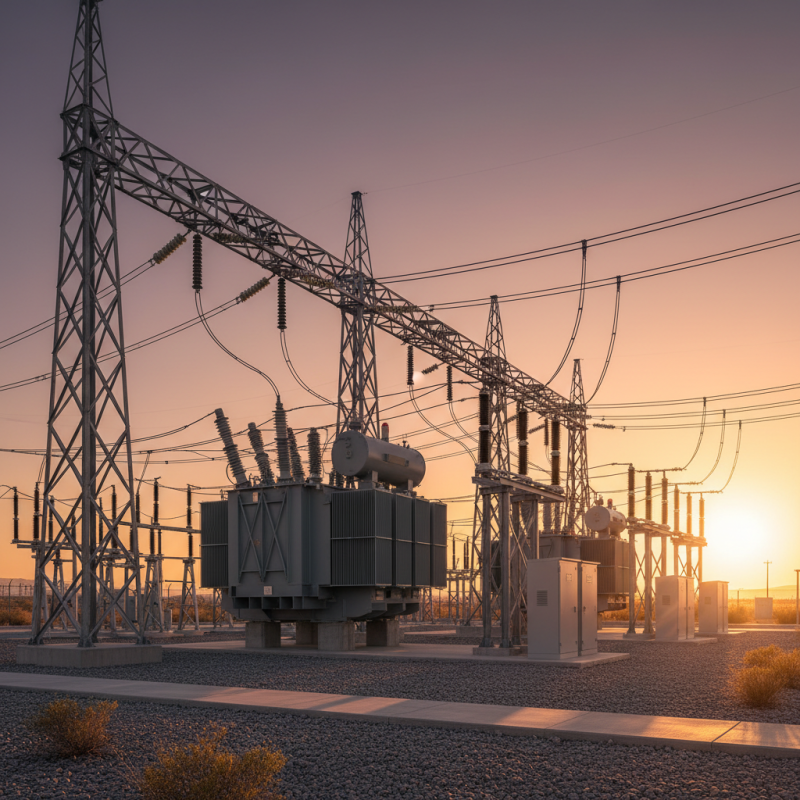
Transformer substations play a critical role in power distribution systems. They ensure that electricity is transformed to the appropriate voltage levels for safe delivery to consumers. Various components within a substation, such as transformers and switchgear, work together to maintain efficient power flow. Understanding these elements is essential for optimal performance and reliability.

When selecting a transformer substation, it is essential to assess specific operational needs. Consider factors such as capacity, voltage requirements, and environmental conditions. Each situation presents unique challenges. For instance, urban areas may require compact designs, while rural installations might prioritize capacity. Moreover, local regulations could necessitate additional considerations regarding safety and noise levels.

The role of transformer substations also extends to enhancing system resilience. They can minimize outages due to failures or overloads. However, not every configuration will suit every application. Misjudging the required specifications can lead to inefficiencies and increased costs. Continuous evaluation and adaptation are vital. Regular assessments can help identify potential improvements to existing systems, ensuring reliability and performance amidst evolving demands.

Assessing Your Power Needs: Load Requirements and Future Growth

When choosing a transformer substation, understanding your power needs is crucial. Begin by assessing your current load requirements. Calculate the total electricity consumption of all equipment. This includes lighting, HVAC, and machinery. Every kilowatt counts. Inaccurate estimations can lead to inadequate supply or overpaying for excess capacity.

Consider future growth as well. Businesses evolve; power demands often increase. If you plan to expand, factor in additional loads. This might involve new equipment or extended operating hours. Have a flexible design that accommodates future upgrades. Anticipating growth can prevent costly modifications later on.

It's important to engage with professionals during this process. Their expertise can help identify potential pitfalls. They can offer insights on efficiency and sustainability, which are becoming increasingly important. However, always seek multiple opinions. Relying on a single source can limit perspective. Evaluate all suggestions carefully. Balancing current and future needs is a complex task, yet essential for effective planning.

Evaluating Substation Types: Step-Down, Step-Up, and More

Choosing the right transformer substation involves understanding its types and functions. Step-down transformers reduce high voltage electricity for distribution. They are crucial in urban areas where demand is high. According to the U.S. Energy Information Administration, nearly 62% of electricity is delivered through step-down transformers.

In contrast, step-up transformers increase voltage levels for transmission over long distances. They minimize energy losses, which can be as high as 10% in long-distance lines. The right type ensures efficiency. For instance, a poorly chosen transformer can lead to increased costs and reduced reliability.

Other types include auto-transformers. These offer a compact design and lower costs. However, they may not provide as much electrical isolation, raising potential safety concerns. Evaluating the specific needs of your area and load requirements will guide you in making an informed choice. Factors like load growth and seasonal demand shifts are essential to consider. Decisions should be backed by data and expert analysis.

Key Features to Look for in a Transformer Substation

Choosing the right transformer substation is crucial for efficient energy distribution. Key features play a vital role in this process. One important aspect is the voltage rating. Choose a substation that matches your project's voltage requirements. Proper voltage levels ensure safety and operational efficiency.

Another feature to consider is the cooling method. Oil-filled transformers provide better cooling but may require more maintenance. Dry-type transformers are safer in certain environments. Assess your installation conditions when deciding. Additionally, the size and footprint of the substation matter. Urban areas might demand compact designs, while rural locations can accommodate larger units.

Integration with smart grid technology is also essential. Energy monitoring systems can provide real-time data. This can enhance efficiency and help in predictive maintenance. However, compatibility with existing infrastructure can be a challenge. Not all substations easily integrate with newer systems. Take your time to evaluate these aspects carefully.

Transformer Substation Features Comparison

This chart compares two transformer substations based on key features such as capacity, efficiency, cost, footprint, and cooling type. Depending on your needs, you can evaluate which transformer substation might suit your requirements better.

Cost Considerations and Budgeting for Your Transformer Substation

When selecting a transformer substation, budgeting is critical. You need to clearly understand both direct and indirect costs. Direct costs typically include purchasing the transformer, installation, and necessary infrastructure upgrades. Indirect costs may cover utility upgrades, permits, and environmental assessments. It’s essential to itemize these expenses to avoid unexpected financial strains later on.

Establish a realistic budget aligned with your project goals. Consider future scalability and maintenance costs. Some may focus solely on the initial investment, but long-term operational costs are crucial. Skimping on quality may lead to higher costs in repairs or lost efficiency. Reflect on your priorities: are you more concerned with upfront costs, or do you value long-term reliability?

Working closely with professionals can provide insights into cost-effective solutions. They can help you navigate complex regulations and local requirements. Ensure you’re comparing similar proposals for transparency. Document your choices and the rationale behind them. This process can highlight areas for improvement in future projects, fostering a more strategic approach to budgeting.

How to Choose the Right Transformer Substation for Your Needs? - Cost Considerations and Budgeting for Your Transformer Substation

Dimension Specification Estimated Cost ($) Notes
Rated Power 10 MVA $150,000 Suitable for medium-sized facilities
Rated Voltage 35 kV Included in transformer cost Common voltage level for urban areas
Type of Transformer Oil-immersed $20,000 Higher cooling efficiency
Installation Cost N/A $30,000 Includes labor and materials
Annual Maintenance Cost N/A $5,000 Routine checks and repairs
Total Initial Investment N/A $200,000 Includes transformer and installation