In the rapidly evolving world of machinery and engineering, custom hydraulic cylinders play a vital role. These components are essential for various industrial applications. As manufacturers seek to enhance their operational efficiency, understanding the complexities of custom hydraulic cylinders becomes crucial.
John Thompson, a renowned expert in hydraulic systems, emphasizes, "The right custom hydraulic cylinder can make the difference between a successful project and costly downtime." His insight reflects the industry’s reliance on tailored hydraulic solutions. Companies must navigate specifications, designs, and materials to meet their unique needs.
While customization offers significant advantages, it also poses challenges. Manufacturers must balance between quality and cost-effectiveness. Selecting the appropriate supplier can be daunting. Quality issues can arise if not addressed properly. Ensuring that these components are designed to exact specifications is essential for long-term reliability. The world of custom hydraulic cylinders isn't without its pitfalls, and organizations must remain vigilant in their choices.
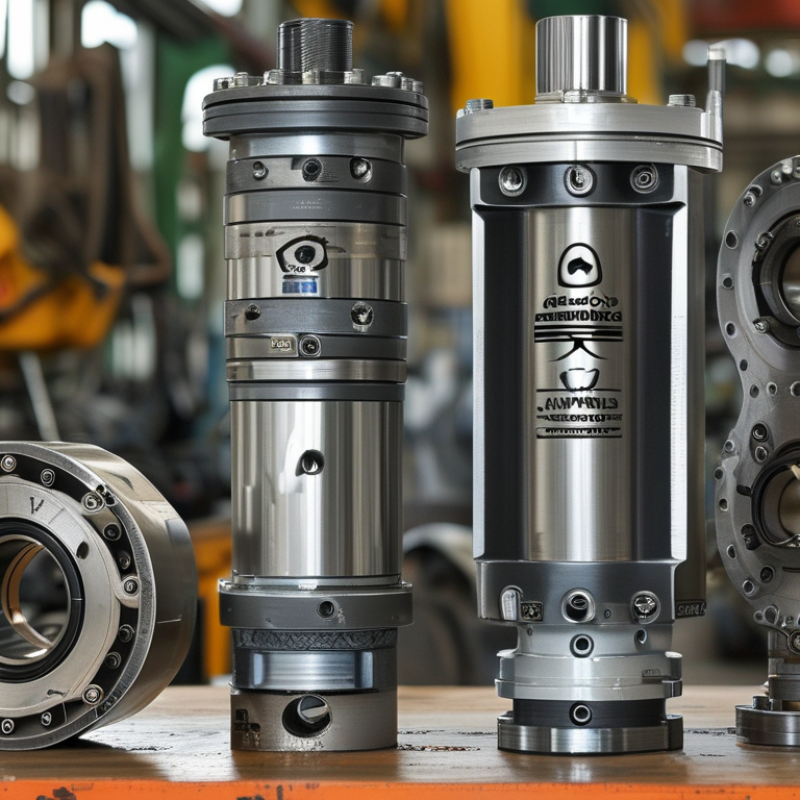
Custom hydraulic cylinders play a vital role in numerous industries, offering specialized features tailored to specific applications. These cylinders are designed to withstand high pressures and provide precise control, making them essential for machinery in fields such as construction, manufacturing, and automotive. According to a recent industry report, the global market for hydraulic cylinders is projected to reach $13.9 billion by 2026, with custom designs driving much of this growth.
Understanding the key features of custom hydraulic cylinders is crucial for manufacturers. These features include stroke length options, rod diameters, and mounting styles. Additionally, custom cylinders can be tailored to meet unique pressure ratings and environmental conditions. For example, cylinders used in marine environments may require special coatings to prevent corrosion. Manufacturers benefit from these features, allowing for increased efficiency and reduced downtime.
Tip: When selecting a custom hydraulic cylinder, assess your operational environment carefully. Ensure that the materials used can withstand the conditions they will face.
Manufacturers also need to consider the potential challenges in designing custom hydraulic cylinders. The balance between cost and performance is often tricky. Lower-priced options may compromise on quality, potentially leading to higher maintenance costs down the line. Understanding your long-term needs will help avoid this pitfall.
Tip: Always consult with experts when designing custom solutions. Their insights can help prevent costly mistakes.
| Feature | Description | Benefits | Common Applications |
|---|---|---|---|
| Material | Typically made from high-strength steel, aluminum, or composite materials. | Durability and resistance to corrosion, ensuring long lifespan. | Construction, manufacturing, agriculture machinery. |
| Customizable Sizes | Available in various sizes and stroke lengths to meet specific needs. | Optimized performance for specific applications, enhancing efficiency. | Automotive, aerospace, and industrial equipment. |
| Pressure Ratings | Can be designed to operate under specific pressure ranges. | Improved safety and reliability in high-pressure applications. | Hydraulic presses, injection molding machines. |
| Seal Design | Advanced sealing mechanisms to prevent leakage. | Reduced maintenance costs and increased operational efficiency. | Oil and gas, marine applications. |
| Mounting Options | Different mounting configurations available (twin pin, trunnion, etc.). | Flexibility in design and installation. | Construction machinery, material handling. |
When considering custom hydraulic cylinders, identifying your specific needs is crucial. Start by assessing the application where the cylinder will be used. Different applications require different specifications. For example, the pressure, stroke length, and weight capacity can vary significantly. Understanding these factors can impact performance and efficiency. An improperly sized cylinder may lead to complications.
Next, think about the environmental conditions. Will the hydraulic cylinder face extreme temperatures or exposure to corrosive substances? Selecting materials that can withstand specific environments is essential. It ensures durability and reliability. Sometimes, manufacturers may overlook these details, leading to failures.
Lastly, consider the support available from your supplier. Good communication with manufacturers can unveil insights about their expertise. They can provide recommendations based on their knowledge and experience. This collaboration can prevent missteps in the design process. Not all custom solutions are straightforward, and some adjustments may be necessary. Reflecting on your exact requirements ensures you get the best product for your needs.
When selecting custom hydraulic cylinders, understanding materials and manufacturing processes is vital. Manufacturers often choose between steel, aluminum, and composite materials. Each material has unique properties affecting strength, weight, and corrosion resistance. Steel is renowned for durability. However, it can be heavy. Aluminum is lightweight and resists rust, but may not handle extreme pressures well. Knowing the application’s demands helps in material selection.
Manufacturing processes also play a crucial role in the cylinder’s performance. Techniques like welding, machining, and surface treatment impact quality. Precision machining ensures tight tolerances, which is essential for effective sealing. Meanwhile, advanced surface treatments can enhance durability and resistance to wear. Nevertheless, some manufacturers may overlook these processes, leading to subpar products. Each step in the manufacturing chain needs careful consideration to avoid costly mistakes.
Understanding these factors fosters better procurement choices. It encourages manufacturers to engage with suppliers who prioritize quality and expertise. Being informed about materials and processes can significantly affect performance and longevity. This knowledge can ultimately streamline operations and enhance reliability in hydraulic systems.
When selecting a reliable manufacturer for custom hydraulic cylinders, several factors come into play. Assessing the manufacturer's experience in the industry is crucial. Look for companies with a proven track record of producing high-quality products. Years of operation often correlate with expertise in handling design complexities.
Another key consideration is the manufacturer's production capabilities. Ensure they possess advanced machinery and technology. A well-equipped facility can enhance product consistency and efficiency. Additionally, evaluate their quality control measures. A robust quality assurance program can significantly reduce defects in your final product.
Communication is equally important. A responsive manufacturer fosters collaboration and addresses concerns promptly. Transparency in their processes indicates reliability and builds trust. While many manufacturers claim excellence, not all meet declared standards. Conducting thorough research can help identify potential red flags. Making informed decisions can lead to better long-term partnerships in your hydraulic cylinder needs.
Custom hydraulic cylinders require regular maintenance to ensure optimal performance. Neglecting these practices can lead to inefficiencies and costly repairs. Understanding the key maintenance practices is essential for prolonging the lifespan of your cylinders.
One effective tip is to routinely inspect the seals and fittings for leaks. Even a small leak can result in significant losses over time. Look for any signs of wear or damage that may require immediate attention. Keeping a maintenance log can also help track any issues, making it easier to address problems before they escalate.
Additionally, ensure that the hydraulic fluid is clean and at the proper level. Contaminated fluid can cause severe damage. Regularly changing the fluid and employing appropriate filtration systems can enhance reliability. Remember, a proactive approach is better than a reactive one.
Routine testing of cylinder performance can reveal hidden issues. Pay attention to unusual sounds or vibrations during operation. These signs often indicate a need for intervention. Investing time in these best practices can lead to better performance and fewer unexpected failures.