Blog

How to Source Hot Rolled Square and Rectangular Tube Efficiently?

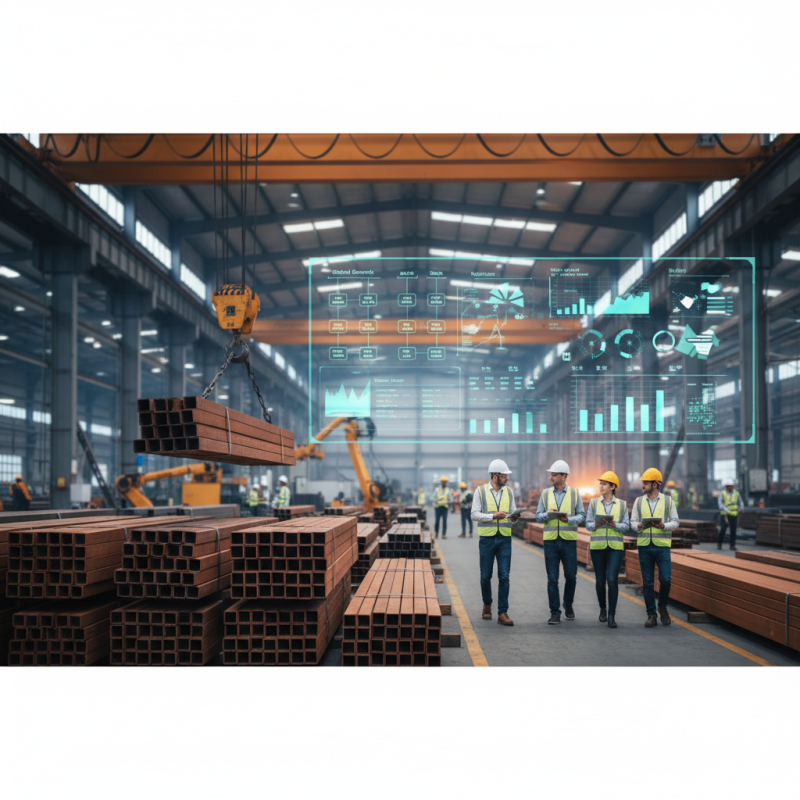
Sourcing hot rolled square and rectangular tubes efficiently is crucial for various industries. The global demand for these products continues to rise. According to the latest market reports, the structural steel market is projected to reach $500 billion by 2027. This growing trend reflects the increasing use of Hot Rolled Sq / Rect Tube in construction and manufacturing.

Efficient sourcing involves understanding market trends and supplier reliability. A recent survey found that 75% of manufacturers prioritize sourcing materials from suppliers with strong reputations. This indicates that trust and quality are paramount. In addition, finding the right suppliers can be challenging. The quality of materials can vary significantly, leading to potential project delays.

Effective communication with suppliers is vital. Industry experts recommend regular check-ins to ensure material specifications are met. Moreover, leveraging technology can streamline the sourcing process. Implementing a supply chain management system can enhance efficiency. These strategies contribute to better decision-making and can mitigate risks associated with sourcing hot rolled Sq / Rect Tube.
How to Source Hot Rolled Square and Rectangular Tube Efficiently?

How to Identify Reliable Suppliers for Hot Rolled Tubes

Identifying reliable suppliers for hot rolled tubes is crucial. Start by checking for industry certifications. These certifications indicate a supplier's adherence to quality and safety standards. Certifications like ISO can be a good starting point. Additionally, consider the supplier's reputation in the market. Online reviews and client testimonials can provide insights into their reliability.

Networking is another effective way to find trustworthy suppliers. Attend industry trade shows and conferences to meet potential partners. Engaging with others in the field can lead to valuable recommendations. Personal connections often point to suppliers that offer better service and products.

Then, assess the supplier's production capabilities. Visit their facility if possible. This step helps evaluate their machinery and workforce. A visit can reveal a lot about their operations. Consider engaging in a trial order. This allows you to test product quality before committing to larger contracts. Remember, not every supplier will meet your expectations the first time. Adaptability can lead to long-term partnerships.

Supplier Reliability for Hot Rolled Square and Rectangular Tubes

Key Specifications and Standards for Hot Rolled Square and Rectangular Tubes

When sourcing hot rolled square and rectangular tubes, understanding key specifications and standards is critical. These tubes are used across various industries, from construction to manufacturing. Key specifications include dimensions, wall thickness, and material grades. Each of these factors influences strength and durability.

Common standards for hot rolled tubes include ASTM A500 and ASTM A36. ASTM A500 specifies structural tubing in round, square, and rectangular shapes. It covers both cold-formed and hot-rolled tubes. Meanwhile, ASTM A36 outlines carbon steel shapes and plates. Compliance with these standards ensures the material meets safety and performance criteria.

It's essential to consider the intended application. Some projects may require higher tensile strength while others may prioritize corrosion resistance. Quality can vary greatly among suppliers. Conducting thorough evaluations of material properties and supplier reliability is a must. It’s an often-overlooked step that can save time and resources in the long run. Remember, not all suppliers adhere strictly to these standards, so it’s wise to ask for documentation and certified tests.

Evaluating Quality Control Measures in Tube Manufacturing Processes

Quality control in tube manufacturing is critical. It ensures that hot rolled square and rectangular tubes meet industry standards. The first step involves inspecting raw materials. These materials must be free from defects and meet specified grades. A thorough examination can prevent costly mistakes later in production.

During the manufacturing process, several quality control measures are employed. Automated systems can detect irregularities in dimensions. These systems help maintain consistency. However, human oversight is still essential. Operators should conduct random checks to catch errors that machines might miss. This blend of technology and human vigilance enhances reliability.

Post-manufacturing inspections are also vital. Testing the durability and structural integrity of the tubes prevents failures in their applications. It’s essential to establish a feedback loop. Collecting data from these inspections can identify recurring issues. Constant refinement of processes is required. Sometimes, what works today may not work tomorrow. Embracing these challenges leads to stronger manufacturing practices.

How to Source Hot Rolled Square and Rectangular Tube Efficiently? - Evaluating Quality Control Measures in Tube Manufacturing Processes

Dimension (mm) Material Grade Weight (kg/m) Available Lengths (m) Quality Control Measure
50 x 50 S235JR 7.85 6, 12 Visual Inspection & Ultrasonic Testing
40 x 20 S275JR 4.60 6, 9 Dimensional Inspection & Mechanical Testing
60 x 40 S355JR 8.00 6, 12 Chemical Composition Analysis
80 x 80 S420MC 9.50 6, 12 Non-Destructive Testing & Surface Roughness Measurement
30 x 30 SS400 3.30 6, 9 Weld Quality Inspection

Cost-Benefit Analysis of Different Sourcing Strategies for Tubes

When sourcing hot rolled square and rectangular tubes, cost factors play a critical role. Different sourcing strategies can lead to varying expenses and benefits. For instance, local suppliers may offer quicker delivery, which could reduce time costs. However, their prices might be higher than overseas options. Companies must assess their specific needs to choose wisely.

Evaluating the total cost involves more than just the price per unit. Transportation and customs costs can add up significantly when sourcing from international suppliers. Additionally, fluctuating market demands can impact prices unexpectedly. It is essential to analyze these factors on a case-by-case basis to determine the best approach.

Furthermore, establishing relationships with suppliers is crucial. Personal connections can lead to better deals and negotiation leverage. Considering the long-term benefits of partnerships may outweigh the initial savings of a cheaper supplier. Therefore, while it is tempting to choose the lowest price, understanding the broader impact is vital. Decisions should reflect a balance between immediate savings and long-term reliability.

Logistics and Shipping Considerations for Efficient Tube Procurement

Logistics and shipping play crucial roles in sourcing hot rolled square and rectangular tubes effectively. According to a recent report by the Material Handling Industry, over 70% of supply chain disruptions stem from inadequate logistics. Shipping costs can significantly affect the overall procurement budget, requiring keen attention to detail in transportation planning. Efficient routing and timely delivery are vital.

Many businesses overlook the importance of selecting appropriate shipping partners. A study by the Council of Supply Chain Management Professionals indicates that choosing the right logistics provider can reduce costs by up to 15%. Evaluating carriers based on delivery times and reliability is essential. Not all vendors align with high-performance standards. Unexpected delays can thwart production schedules and inflate expenses.

[图片] Inventory management also deserves attention. Firms should maintain clear visibility into stock levels. Data from the Global Supply Chain Report suggests that companies with effective inventory tracking experience 25% fewer shortages. Timely communication with suppliers can minimize surprises. However, it's common for companies to disregard this aspect, leading to missed opportunities. Strategic logistics planning can significantly improve sourcing efficiency.