What Is an Electrical Plug Lockout and How Does It Work?
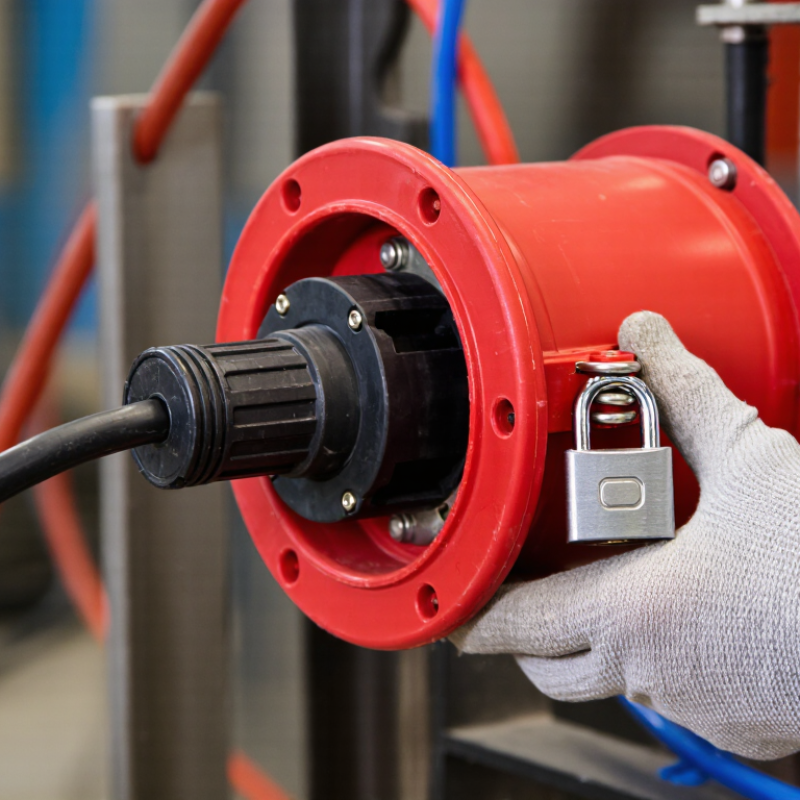
An electrical plug lockout prevents a plug from entering a power source during maintenance. It covers the plug body and blocks access to the receptacle. Most devices use a rigid, nonconductive shell with a hinged or sliding closure. A padlock passes through reinforced locking holes. Some models also accept a group lock hasp. This allows several authorized workers to control one energy source. The device should fit tightly around the plug, cord entrance, and housing.
Common types include enclosed plug lockouts, adjustable cable lockouts, and universal outlet covers. Enclosed designs suit standard molded plugs and provide strong physical protection. Adjustable models use a flexible cable, clamp, or screw mechanism for unusual plug shapes. Universal covers can protect wall outlets, extension connections, or oversized configurations. Compatibility matters. A loose fit can leave enough space for accidental reconnection.
Key components include the lockout body, closure mechanism, cable channel, locking holes, and warning label. Many units include a durable tag for the worker’s name and service details. The label is easy to ignore. That is a mistake. In maintenance inspections, unclear identification often creates delays and confusion. Inspectors should check cracks, worn hinges, damaged labels, and blocked locking holes before use. The plug must be disconnected, verified as de-energized, and secured against reconnection. Some procedures feel repetitive. They still prevent dangerous assumptions.