High Pressure Electric Ball Valves (HPEBVs) are crucial in various industrial systems. They manage fluid flow in high-pressure environments. According to a recent market study by ResearchAndMarkets, the global electric valve market is projected to grow by nearly 6% annually over the next five years. This growth reflects the increasing importance of automation in industrial processes.
HPEBVs offer precise control, ensuring operational efficiency. They respond quickly, minimizing downtime during fluid management tasks. Their reliability is supported by rigorous testing and quality standards established by organizations like the International Society for Automation (ISA). However, challenges remain, such as initial installation costs and the need for regular maintenance.
In some cases, users report difficulties adapting existing systems to accommodate these valves. Compatibility issues can arise, requiring additional adjustments. As industries evolve, the demand for efficient control mechanisms will continue to drive the advancement of High Pressure Electric Ball Valves. Ensuring both performance and adaptability will be key for future developments in this sector.
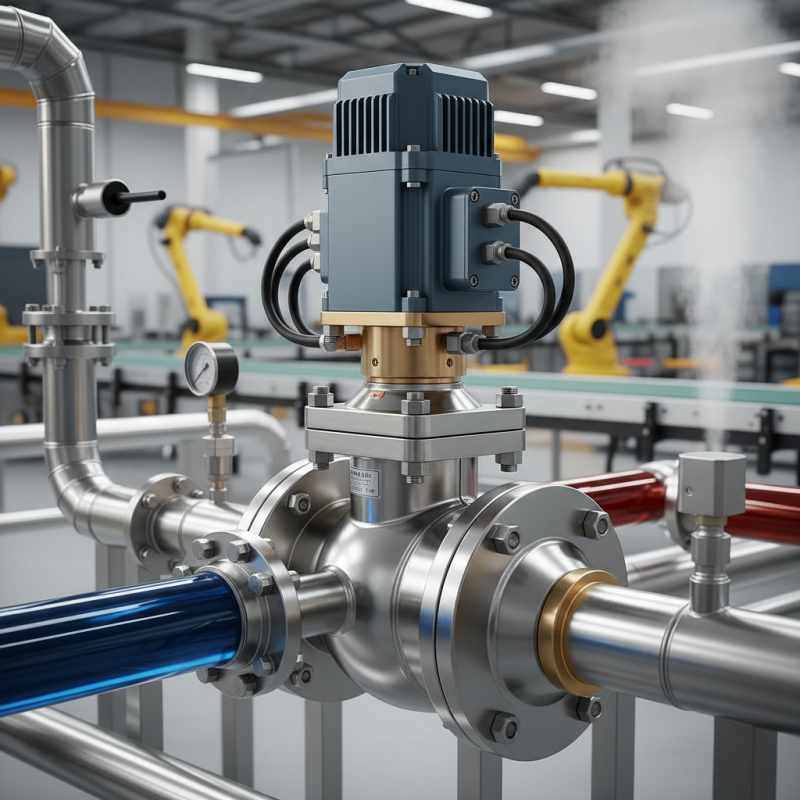
A high-pressure electric ball valve is a vital component in many industrial applications. It is designed to control fluid flow under significant pressure conditions. This type of valve is operated electronically, making it efficient for remote system management. The mechanism consists of a spherical disc with a hole in the center, allowing flow when aligned with the pipe and preventing flow when turned.
These valves are built to withstand high pressures, making them ideal for oil, gas, and water systems. The actuator responds to electrical signals, enabling precise control over flow rates. They can vary in size and materials, depending on the specific application. The advantage is clear; they offer quick operation, reliability, and less maintenance compared to manual valves. However, their complexity can lead to issues if not maintained or calibrated correctly.
Using high-pressure electric ball valves requires a solid understanding of the system’s needs. Overusing them in inappropriate settings can lead to malfunctions or damage. Operators must ensure compatible materials and pressures are in place. In some cases, a simple mechanical valve could be more effective, highlighting the importance of evaluation before installation. Engineers and technicians should reflect on their choices during planning to avoid costly future mistakes.
High pressure electric ball valves play a vital role in controlling fluid flow. Their design incorporates several key components that ensure their effectiveness and reliability in various applications. Understanding these components is crucial for proper maintenance and operation.
The valve body is the core structure. It houses the ball, which rotates to open or close the flow path. Typically made of durable materials, the body withstands high pressures. Another essential component is the electric actuator. This device allows for remote operation, ensuring precise control. The actuator often features adjustable settings to manage the valve's operation seamlessly.
Seals are another critical element. They prevent leaks and ensure a tight connection. High-quality seals withstand extreme conditions, extending the valve's lifespan. Wiring and control systems are equally important. They connect the actuator to the control panel, facilitating communication. Regular checks on these components can reveal wear or damage, prompting timely repairs. Proper understanding of these parts enhances the efficiency and reliability of high-pressure electric ball valves.
High pressure electric ball valves are integral components in various industries. They control fluid flow efficiently. These valves combine electrical and mechanical mechanisms to operate under high-pressure conditions.
Mechanically, high pressure electric ball valves utilize a spherical disc with a hole in the middle. This disc rotates to open or close the flow path. The rotation happens swiftly, providing a quick response in the system. The strong materials used in these valves withstand extreme pressures, ensuring durability and reliability.
Electrically, these valves are equipped with actuators. These actuators convert electrical energy into mechanical movement. When the system sends a signal, the actuator rotates the ball to the desired position. This integration of electrical control allows for precision in managing fluid flows. However, failure in electrical components can lead to operational faults.
Overall, understanding the mechanical and electrical aspects helps in selecting the right valve for specific applications.
High pressure electric ball valves are essential components in many industries. Their primary function is to control fluid flow in various systems. They are particularly useful in oil and gas, chemical processing, and water treatment sectors. The ability to withstand high pressures makes them vital for operations that require precise flow regulation.
In the oil and gas industry, these valves manage the flow of hydrocarbons in pipelines. Efficient control leads to safer and more reliable operations. Similarly, in chemical processing, these valves handle aggressive substances, ensuring minimal leakage. This prevents potential hazards and promotes a safer working environment. Their role in water treatment systems also enhances efficiency, especially regarding pressure regulation in filtration systems.
While high pressure electric ball valves have many advantages, challenges remain. For instance, maintenance can be complex. Understanding the specific application is crucial for optimizing performance. Improper installation can lead to operational failures. Thus, industries must invest in training and develop expertise. Continuous learning is essential to avoid pitfalls. The balance between technology and human skill remains a key point for successful implementation.
High pressure electric ball valves are crucial in many industrial applications. They offer precise control over fluid flow, thanks to their robust design. These valves can handle pressures up to 6,000 psi, making them ideal for high-stakes environments. Their electric actuation allows for quick response times, significantly improving system efficiency. However, these benefits come with trade-offs.
One major advantage is the ability to automate processes. Electric ball valves reduce manual labor, facilitating remote monitoring. This automation results in fewer human errors and improves safety. According to a report by Grand View Research, the global electric valve market is expected to grow at a CAGR of approximately 7.5% from 2021 to 2028. The increasing demand for automation in various sectors is a key driver.
Nevertheless, these valves also have limitations. They can be more expensive than manual counterparts. The complexities of installation may lead to additional costs. Moreover, maintenance can be a challenge due to the electronic components involved. Users need to consider these factors before making a decision.
Tips: Regular maintenance of electric ball valves is essential. Ensure the components are clean and functioning properly. Check for software updates regularly to enhance efficiency.
| Feature | Description |
|---|---|
| Operating Pressure Range | Up to 10,000 psi |
| Material Options | Stainless Steel, Brass, PVC |
| Control Type | Electric Actuator |
| Advantages | Precise control, quick response, minimal leakage |
| Disadvantages | Higher initial cost, dependence on power supply |
| Common Applications | Oil & Gas, Water Treatment, Chemical Processing |
| Temperature Range | -40°F to 450°F |
| Maintenance Requirement | Minimal, but periodic inspection recommended |