Top Thermal Bond Non Woven Suppliers Worldwide
How Thermal Bond Nonwoven Fabrics Are Manufactured
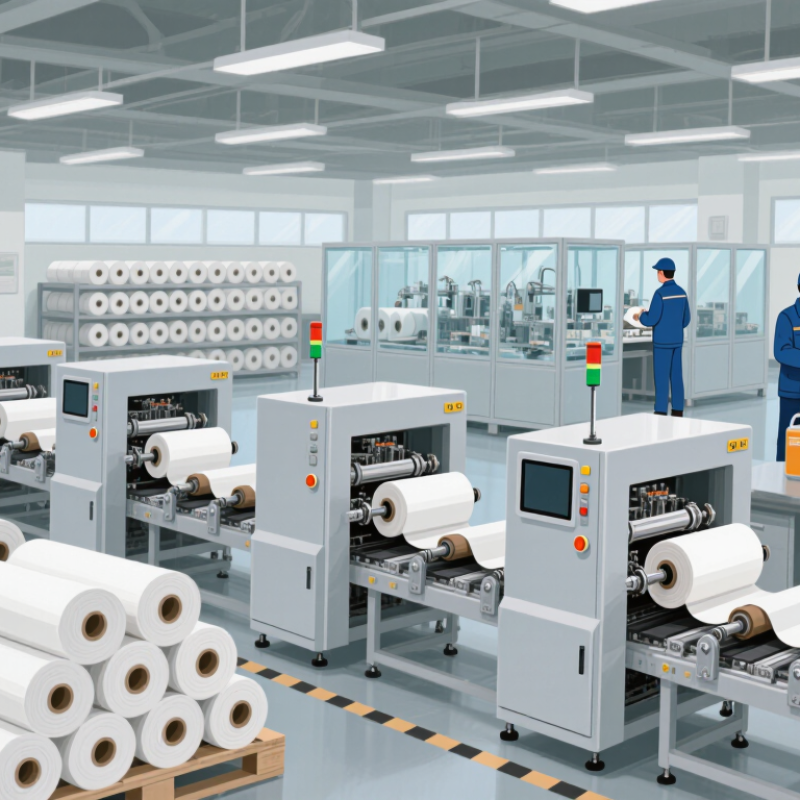
Thermal bonding starts with polymer staple fibers, often polyester, polypropylene, or bicomponent fibers. Operators open, blend, and card these fibers into a uniform web. Airlaying may be used for softer, bulkier structures. The web then passes through a heated calendar or oven. Heat softens the bonding component, while pressure or airflow fixes fiber intersections. Cooling locks the structure in place.
Small changes matter. A few degrees can alter loft, strength, and shrinkage.
The 2023 Global Nonwovens Industry Outlook reported global nonwoven production at about 13.8 million metric tons in 2022. That scale makes process control essential. Manufacturers monitor web weight, oven temperature, line speed, and moisture. A 2024 independent market assessment projected continued nonwoven growth through 2028, driven by hygiene, filtration, automotive, and construction demand.
Reports differ in scope, though. Forecasts should not replace plant trials. A specification can look perfect on paper, yet fail after washing or compression. That remains an uncomfortable lesson.
Tips: Check bond uniformity across the roll, not only at its edges. Record temperature profiles at several web points. Test tensile strength, thickness recovery, air permeability, and shrinkage after conditioning. Link supplier certificates to each production lot. Request pilot samples before approving large orders. Reliable suppliers should explain fiber blends, bonding methods, and tolerances clearly.