Blog

How to Optimize Hydraulic Cylinder Design for Better Performance?

Hydraulic Cylinder Design plays a crucial role in numerous industrial applications. Optimizing these designs can lead to increased efficiency and performance. Many engineers face challenges in balancing operational capacity with durability.

Focusing on factors like material choice, dimensions, and sealing methods can significantly influence performance. Adjusting these elements involves careful consideration and testing. However, it's easy to overlook minor details, leading to potential inefficiencies.

Innovation in hydraulic systems often stems from iterative design. Evaluating past choices can offer insights into improvements. Being open to refining approaches ensures that hydraulic cylinders meet the evolving needs of various industries.
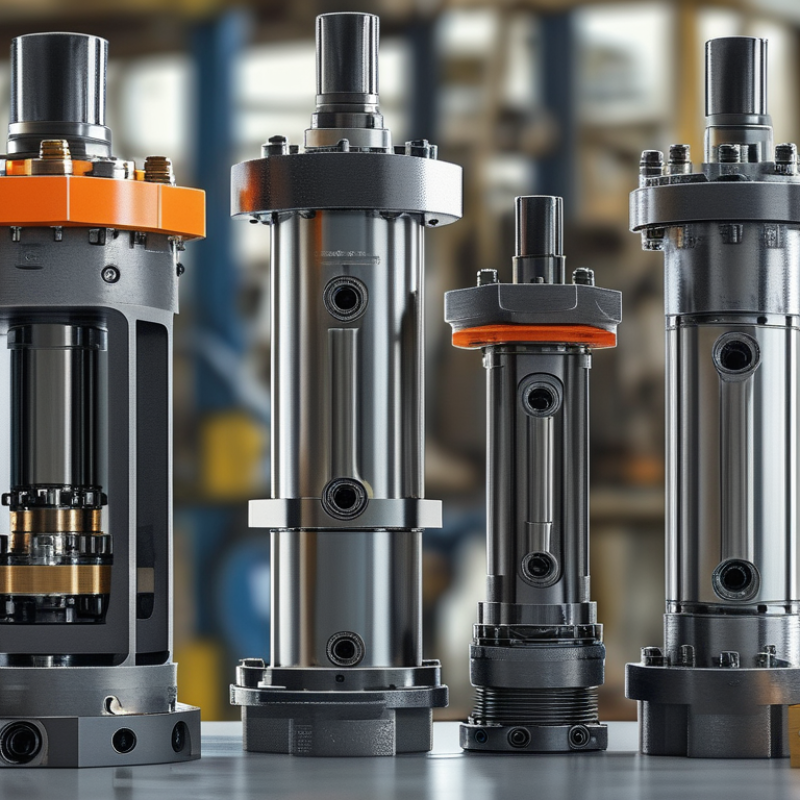
How to Optimize Hydraulic Cylinder Design for Better Performance?

Understanding the Basics of Hydraulic Cylinder Design Principles

Hydraulic cylinder design is a crucial aspect of engineering. A solid understanding of basic principles can significantly enhance performance. Cylinder size, rod diameter, and material choice are vital. These elements affect force generation and reliability. Engineers must consider the application when designing a hydraulic cylinder.

One common mistake is underestimating the impact of pressure ratings. Each application requires specific pressure levels. Overlooking this can lead to catastrophic failures. Additionally, factors like temperature and fluid type must be evaluated. These details influence material fatigue and overall lifespan. Regular testing can ensure design integrity.

Incorporating innovative simulations can help identify potential weaknesses. Engineering teams should work collaboratively to analyze designs. An iterative approach encourages refinement and improvements. Recognizing flaws early on can save time and resources. A proactive mindset in design can lead to significant advancements in hydraulic technology.
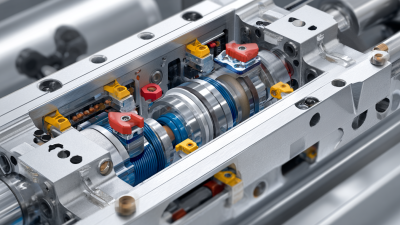
Key Factors Influencing Hydraulic Cylinder Performance and Efficiency

When optimizing hydraulic cylinder design, several key factors significantly influence performance and efficiency. The selection of materials plays a critical role. High-strength alloys can improve durability, but they may also increase costs. Balancing cost with performance is a challenge many engineers face.

Another important consideration is the sealing mechanism. Poor seals can lead to fluid leakage, reducing efficiency. Designing effective seals requires careful examination of materials and configurations. Testing different designs often reveals insights but may also introduce unforeseen issues.

Finally, attention to manufacturing processes is essential. Precision machining ensures that components fit together correctly, reducing wear and enhancing lifespan. However, achieving this precision can be difficult, and even small errors can lead to performance degradation. Continuous learning from each iteration is vital for improvement in hydraulic cylinder design.

Materials Selection for Enhanced Durability and Functionality

When selecting materials for hydraulic cylinders, durability and functionality are key considerations. Steel and aluminum are commonly used, but their properties vary greatly. Steel offers strength and high resistance to wear. However, it can be heavy, which affects overall performance. Aluminum is lighter, enhancing mobility but may not withstand extreme conditions as well.

The choice of seals and coatings also plays a crucial role. Certain polymers provide excellent wear resistance and can tolerate a range of temperatures. Yet, they may not offer the same level of chemical resistance as metals. Engineers must weigh these factors carefully. There is no one-size-fits-all solution. Each application may require its own tailored approach.

In practice, the optimization process often reveals flaws in design or material choice. Regular testing and feedback loops should be implemented to refine choices. It’s important to analyze performance data to understand these weaknesses. Continuous improvement is vital in this field. A balance between sturdiness and weight must always be sought.

Hydraulic Cylinder Material Performance Comparison

Design Techniques for Improved Operational Reliability and Safety

When designing hydraulic cylinders, ensuring operational reliability and safety is paramount. One approach is to utilize advanced materials. These materials can withstand higher pressures and corrosive environments. This choice enhances the lifespan and reduces maintenance needs over time.

Pay attention to the design geometry as well. Cylinders with optimized shapes can minimize stress concentrations. This helps in preventing potential failures during operation. Simulations can help visualize these stress points before actual manufacturing. Early identification of vulnerabilities leads to more robust designs.

One practical method involves regular testing and feedback. It allows for adjustments based on real-world performance. Implementing a consistent review process can reveal underlying issues that theory might overlook. Gathering input from operators can also shed light on day-to-day challenges. This collaboration fosters an environment of continuous improvement, ensuring greater reliability and safety of hydraulic systems.

Testing and Validation Methods for Optimal Cylinder Performance

When designing hydraulic cylinders, testing and validation are crucial. These processes ensure that the cylinder performs optimally under various conditions. Simulating real-world scenarios can uncover weaknesses in design. Using computational methods, engineers can assess performance before physical trials begin.

Physical testing is equally important. It involves subjecting cylinders to extreme pressures and temperatures. Observations from these tests provide valuable data. This data can reveal how materials behave under stress. Repeated testing may expose design flaws or inconsistencies that need addressing. It challenges designers to continually refine their approaches.

Incorporating feedback from these tests is vital. Modifications based on results can lead to improved efficiency. However, not all tests yield positive outcomes. Some may show unexpected failures. Embracing these setbacks fosters innovation. It pushes the boundaries of current designs and promotes better performance in future projects.

How to Optimize Hydraulic Cylinder Design for Better Performance? - Testing and Validation Methods for Optimal Cylinder Performance

Test Method Purpose Performance Metric Results
Static Load Test Evaluate structural integrity under maximum load Load Capacity 9500 N
Dynamic Performance Test Assess movement smoothness and fluid dynamics Speed and Stroke Length 0.5 m/s, 200 mm
Fatigue Life Test Determine longevity under cyclical loading Cycles to Failure 1,500,000 cycles
Leakage Test Identify hydraulic fluid leaks Fluid Loss Rate 0.01 L/h
Temperature Test Evaluate performance under temperature variations Operational Range -20°C to 80°C