Blog

How to Source Monel 400 Plate for Your Projects?

When sourcing materials for industrial projects, Monel 400 Plate stands out. This nickel-copper alloy is highly resistant to corrosion and has excellent mechanical properties. Sourcing the right Monel 400 Plate can ensure longevity and durability in your applications. However, finding quality materials can be challenging.

To successfully source Monel 400 Plate, it's essential to understand your project requirements. Different grades and specifications may affect your choice. Engaging with reputable suppliers is crucial. They should provide certifications and detailed material properties. Be prepared to ask questions and verify their expertise.

Navigating the market requires attention to detail and patience. Not every seller will meet your needs. Research is vital. An informed decision can save time and resources. Consider potential price fluctuations and availability. Sometimes, waiting for the right supplier is worth it. Your choice of Monel 400 Plate can significantly impact your project's success.
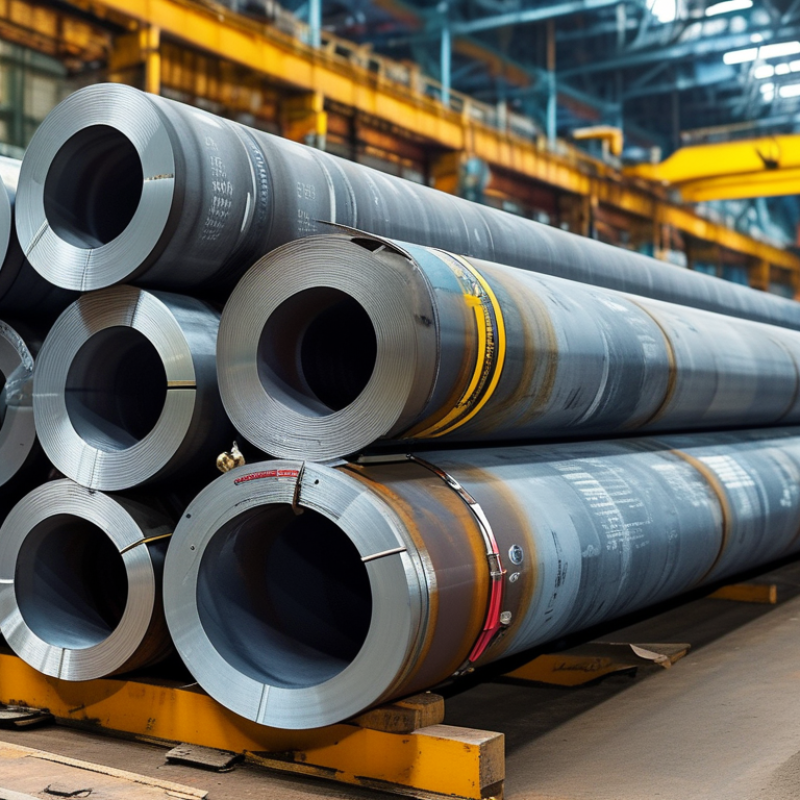
How to Source Monel 400 Plate for Your Projects?

Understanding Monel 400: Properties and Applications

Monel 400 is a nickel-copper alloy known for its remarkable corrosion resistance and strength. This alloy performs exceptionally well in environments with harsh conditions. It resists acidic and alkaline solutions, making it ideal for marine and chemical processing applications. According to the Nickel Development Institute, Monel 400 can handle temperatures up to 1000°F (538°C), which is beneficial in high-temperature applications.

In terms of mechanical properties, Monel 400 exhibits a tensile strength of approximately 70,000 psi (482 MPa). This strength is essential for industries that rely on robust materials that can withstand stress and pressure. Furthermore, the alloy is easily fabricated, allowing for complex shapes to be formed. However, it's important to be aware of its limitations, such as a lower thermal conductivity compared to other alloys, which may impact heat transfer applications.

Monel 400’s versatility spans various industries, including oil and gas, aerospace, and marine engineering. Its application in seawater systems highlights its strength in resisting pitting corrosion and erosion. However, sourcing Monel 400 plates can sometimes be challenging, given market fluctuations and material availability. Prospective buyers should conduct thorough research and consider reliable suppliers to ensure quality and compliance with industry standards.

Identifying Reliable Suppliers for Monel 400 Plate

When sourcing Monel 400 plate for your projects, identifying reliable suppliers is crucial. Start by researching various suppliers online. Look for those specializing in nickel alloys and reputable in the industry. Check customer reviews and testimonials to gauge their reliability. A supplier with good ratings often indicates consistency in quality and service.

Next, inquire about their certifications. ISO certifications or industry-specific ones show adherence to quality standards. It’s essential to verify that they can meet your project specifications. Ask for samples to assess the material's quality. Sometimes, the sample may not match the bulk order. This discrepancy can lead to complications in your project.

Additionally, consider the supplier's experience in the field. A company with several years of expertise tends to understand the market better. They can offer insights on material properties and applications. Don't hesitate to ask for references from previous clients. This step helps ensure you are partnering with a trustworthy supplier.

Evaluating Quality and Specifications of Monel 400 Plate

When sourcing Monel 400 plate, understanding its quality and specifications is crucial. Monel 400 is a nickel-copper alloy known for its excellent corrosion resistance and strength. When evaluating this material, consider factors like thickness, width, and chemical composition. Ensuring that the specifications meet industry standards is vital for your project's success.

Inspect the certification documents from suppliers to verify the alloy's authenticity. Look for the material's tensile strength and yield strength. These metrics inform you about the plate's durability. When discussing specifications, be mindful of the potential variability in quality. Some suppliers might not provide comprehensive details, leaving you to make assumptions.

Additionally, consider how Monel 400 will perform in your specific application. Will it be exposed to harsh environments? Understanding this can help in selecting the right thickness. Ensure that the surfaces are free from defects and meet your requirements. A meticulous approach to evaluating quality can prevent future complications. Stay informed about variations in supply chain practices to ensure a consistent sourcing strategy.

Comparing Costs and Availability of Monel 400 Plate in the Market

When sourcing Monel 400 plates, understanding cost and availability is crucial. Monel 400 is a nickel-copper alloy known for its corrosion resistance, especially in marine environments. Prices can vary widely based on market demand and supplier pricing strategies. Buyers should expect fluctuations and should monitor the market regularly.

Factors influencing the cost include location, quantity, and plate size. Local manufacturers may offer competitive rates. However, international suppliers might provide better prices but add shipping costs and longer lead times. Evaluating multiple suppliers can reveal significant differences in pricing and availability.

It's essential to assess your project needs before purchasing. Are you looking for specific dimensions? Will you require additional processing or finishing? Each of these factors could impact the price. Take the time to reach out to suppliers for quotes. Understanding the nuances of market trends will aid in making informed decisions.

Tips for Purchasing Monel 400 Plate for Your Specific Project Needs

When sourcing Monel 400 plates, it is crucial to match your specific project requirements. First, consider the thickness and dimensions you need. Monel 400 is highly corrosion-resistant and sturdy, making it suitable for various applications, from marine to chemical industries. Identifying your needs can help streamline the purchasing process.

Next, focus on the quality and certification of the materials. Ensure that the supplier provides documentation verifying the material’s specifications. This can include certificates of compliance and material test reports. The reliability of this information is essential. A lack of evidence may raise questions about the product’s authenticity.

Additionally, be cautious about pricing. While it may be tempting to choose cheaper options, quality must not be compromised. Sometimes, lower prices can indicate inferior materials, which could lead to project failures. It’s often better to invest in high-quality Monel 400 plates that will meet the demands of your specific applications.

Article Source: