Blog

Top 10 Aluminum Industrial Profile Suppliers for Global Buyers?

In today's dynamic market, the demand for Aluminum Industrial Profile continues to rise. Companies worldwide seek reliable suppliers to meet their production needs. This demand invites a competitive landscape where quality and service play crucial roles.

Finding the right supplier is vital for businesses. It impacts production efficiency and overall project success. Many companies struggle to identify trustworthy partners. Not all suppliers deliver consistent quality. Buyers must consider various factors, such as material strength, customization options, and delivery timelines.

This article explores the top 10 Aluminum Industrial Profile suppliers catering to global buyers. These suppliers are known for their expertise and quality assurance. They help businesses navigate sourcing challenges effectively. Understanding the strengths and weaknesses of each supplier can empower companies to make informed decisions.
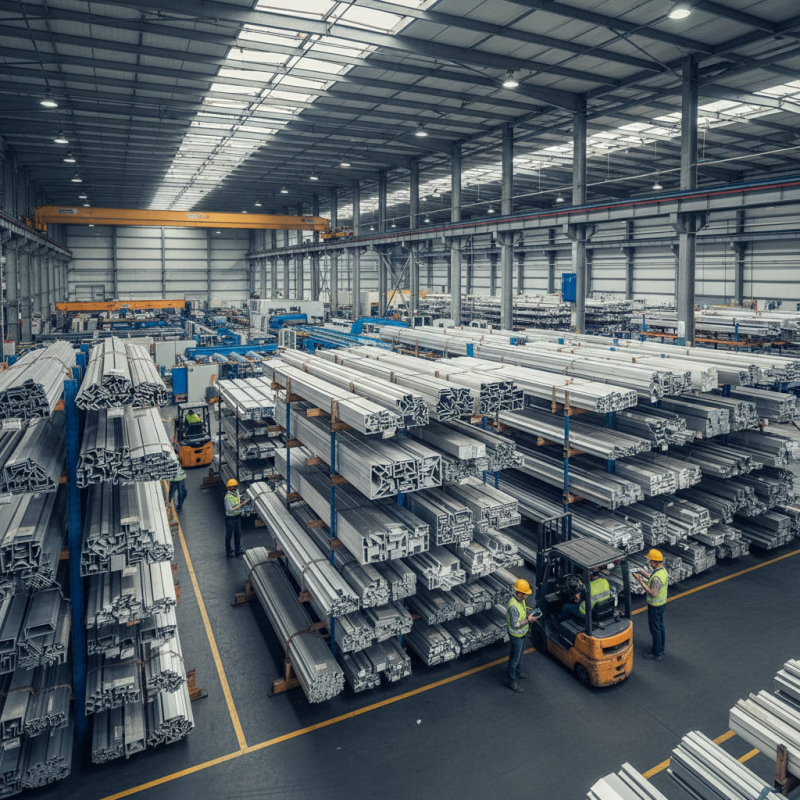
Top 10 Aluminum Industrial Profile Suppliers for Global Buyers?

Overview of Aluminum Industrial Profiles and Their Applications

Aluminum industrial profiles are essential components in various sectors. Their applications range from construction to automotive manufacturing. These profiles provide strength and lightweight properties, making them ideal for structural applications. For instance, aluminum window frames enhance energy efficiency in buildings. Additionally, they are resistant to corrosion, extending their lifespan.

In the automotive industry, aluminum profiles are used in vehicle structures. They reduce weight without sacrificing safety. This leads to improved fuel efficiency. Yet, some challenges exist. The manufacturing process can be complex, and sourcing high-quality materials is crucial. Buyers must ensure they work with reliable suppliers. Reliable suppliers will provide consistent quality and timely delivery.

Construction uses aluminum profiles for scaffolding and railings. These applications require profiles that meet specific safety standards. Buyers often navigate a crowded market. Transparency in sourcing helps them find trustworthy suppliers. Unforeseen issues, such as stock shortages, can also complicate procurement. Buyers should consider contingency plans to mitigate risks.

Top 10 Aluminum Industrial Profile Suppliers for Global Buyers

Supplier Location Annual Production Capacity (tons) Main Applications Key Product Range Certifications
North America 50,000 Construction, Transportation Extrusions, Sheets ISO 9001, ASTM
Europe 40,000 Automotive, Aerospace Profiles, Rods EN 15085, ISO 14001
Asia 70,000 Electronics, Packaging Sheets, Foils OHSAS 18001, ISO 9001
Middle East 30,000 Marine, Construction Extrusions, Bars ISO 9001, CE Marking
Australia 20,000 Building, Renewable Energy Fabricated Structures ISO 9001, AS/NZS 4801
South America 15,000 Consumer Goods, Transport Profiles, Panels ISO 9001, ISO 14001
Africa 10,000 Infrastructure, Agriculture Sections, Tubes ISO 9001, SANS
North America 25,000 Medical, Food Processing Foils, Containers ISO 22000, FDA
Asia 60,000 Electrical, Telecommunications Cables, Connectors ISO 9001, RoHS

Key Factors to Consider When Selecting a Supplier

When selecting an aluminum industrial profile supplier, several key factors come into play. Quality is paramount. Look for suppliers with consistent quality checks and certifications, ensuring they meet international standards. This directly impacts the durability and performance of your end products. A supplier’s manufacturing capabilities should also be scrutinized. Can they handle the scale of your orders? Are they equipped with advanced technology to create precise profiles?

Another essential factor is communication. A reliable supplier maintains open lines of dialogue. This aids in resolving issues and facilitates adjustments during the manufacturing process. Responsiveness can significantly affect timelines and project outcomes. Additionally, consider the supplier’s reputation. Online reviews and testimonials provide insight into their reliability and service quality. Visiting the supplier's facility can also reveal their operational standards and commitment to excellence.

Finally, cost is a critical aspect but should not be the sole focus. Balancing cost with quality is essential. Sometimes, opting for the cheapest option results in unforeseen expenses later. Taking the time to evaluate these aspects can prevent costly mistakes, ensuring a fruitful partnership with your aluminum supplier.

Top 10 Global Suppliers of Aluminum Industrial Profiles

The global aluminum industry is booming. Data shows that the market for aluminum profiles is projected to reach USD 75 billion by 2028. This growth is largely driven by demand from sectors like construction and automotive. Aluminum industrial profiles are known for their strength and lightweight properties, making them ideal for various applications.

Several suppliers have significantly impacted the market. Many focus on quality and sustainability. Their production practices often prioritize recyclability. This shift aligns with global environmental goals. The industry has seen a rise in innovation, especially in fabrication technology. Advanced techniques improve efficiency and reduce waste.

Despite this progress, challenges remain. Suppliers often face fluctuations in raw material prices. Moreover, the COVID-19 pandemic highlighted vulnerabilities in supply chains. Many companies are re-evaluating their strategies to ensure resilience. Adapting to changing market dynamics is crucial for sustained growth. The aluminum profile market continues to evolve, signaling both opportunities and risks for global buyers.

Comparative Analysis of Supplier Offerings and Services

In the aluminum industrial profile market, suppliers vary significantly in offerings and services. Recent data indicates that global demand for aluminum profiles is expected to reach 35 million tons by 2025. This surge is affected by industries like construction and automotive, which are increasingly reliant on lightweight materials. Buyers seek suppliers who not only provide quality but also tailor their services to specific industry needs.

A comparative analysis reveals notable differences among suppliers. For instance, some focus on rapid prototyping and customized solutions, while others emphasize cost efficiency and large-scale production. According to market research, 45% of buyers prioritize quick turnaround times. However, only 30% of suppliers can consistently meet this demand. The gap highlights a need for suppliers to reassess their operational capabilities and adapt.

Moreover, quality assurance processes play a crucial role in supplier selection. Data shows that 60% of buyers reject suppliers due to inadequate testing procedures. Buyers often report dissatisfaction regarding communication and after-sales support. Suppliers must refine these areas to build lasting partnerships. Continuous improvement in service delivery can enhance customer loyalty in this competitive landscape.

Trends and Innovations in the Aluminum Industry

The aluminum industry is witnessing significant trends that shape its future. Sustainability has become a focal point for manufacturers. Many companies are investing in recycling technologies to reduce waste. This shift is crucial as the demand for eco-friendly materials rises globally. Products made from recycled aluminum require less energy, making them attractive to environmentally conscious buyers.

In addition, innovations in production techniques are transforming the industry. Advanced processes like extrusion and casting are becoming more efficient. These methods improve product quality while lowering costs. However, the challenge remains in maintaining consistency and meeting diverse customer needs. The increased focus on automation is also a double-edged sword. While it enhances productivity, it raises questions about workforce displacement.

The rise of lightweight aluminum alloys is another noteworthy trend. These materials are becoming essential in industries like automotive and aerospace. However, balancing strength and weight is complex. Manufacturers must continuously refine their techniques to achieve optimal results. As the aluminum sector evolves, adaptability and innovation remain critical for suppliers and buyers alike.