Blog

Turning Tools for 2026 How to Choose the Best Options?

In the world of machining, Turning Tools play a crucial role in shaping materials. As industries evolve, selecting the right turning tools for 2026 becomes increasingly important. The market is flooded with options, making choices challenging. Understanding how to navigate these choices can set one apart.

Turning tools vary in design and function. Some are ideal for soft metals, while others excel in hard materials. The unique requirements of each project demand careful consideration. Different coatings and geometries can greatly influence performance and longevity.

Investing time in research can yield valuable insights. Expert opinions and user reviews can guide decisions. However, relying solely on data can be limiting. It's crucial to reflect on personal experiences and operational needs. The best turning tools are not always evident. Thus, weighing pros and cons is essential in this complex landscape.
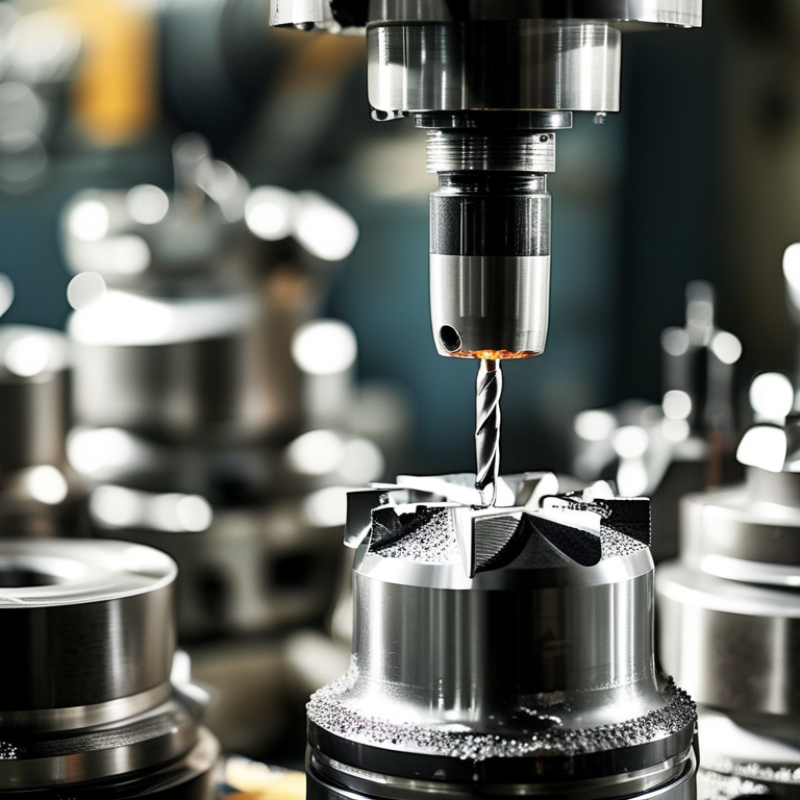
Turning Tools for 2026 How to Choose the Best Options?

Identifying Key Factors in Selecting Turning Tools for 2026

When choosing turning tools for 2026, several key factors should come into play. Material compatibility is essential. Different materials require different tools. For instance, steel components may need a more robust tool than softer materials. Your manufacturing process will dictate the type of tool best suited for your needs. Precision is non-negotiable. A slight deviation can compromise the final product’s quality.

Consider tool life and maintenance. Longer-lasting tools reduce downtime, ultimately increasing productivity. Regular maintenance can extend the lifespan of your tools. However, it’s also important to ensure that maintenance doesn’t become a burden. Evaluate your resources to manage this aspect effectively.

Cost is a persistent issue. While investing in high-quality tools may seem expensive, poor-quality options can lead to greater long-term costs. It’s a delicate balance. Make use of experts and seek advice. They can offer a perspective on trends and innovations that align with your unique requirements. In this rapidly evolving field, staying informed is vital.

Evaluating Material Types and Their Suitability for Turning Applications

When selecting the right materials for turning applications, understanding their properties is crucial. Materials like aluminum, brass, and titanium each offer unique advantages and challenges. The choice of the right material impacts tool wear, surface finish, and machining efficiency. For instance, aluminum is lightweight and easy to machine, making it ideal for rapid prototyping. On the other hand, titanium boasts high strength, but it can increase tool wear and require slower machining speeds.

According to a 2021 industry report, over 40% of machining professionals encounter issues with tool performance due to material selection. This highlights the need for careful evaluation. Steel is another popular choice for turning, especially in automotive applications. It offers durability but can be challenging to work with due to its hardness. Many machinists cite difficulties in achieving optimal finishes when handling tougher materials.

Choosing materials often leads to compromises. While high-strength materials offer performance advantages, they can pose challenges in machining processes. Different alloys exhibit varying reactions to cutting tools, influencing both lifecycle costs and production efficiency. As such, industry experts recommend thorough testing and analysis to find the best fit for specific applications. Adjusting parameters based on material type can significantly enhance turning results.

Turning Tools Material Types and Their Suitability for Applications in 2026

Analyzing Cutting Tool Geometries for Optimal Performance

When selecting cutting tool geometries, understanding their impact on performance is key. A recent report highlights that up to 80% of machining costs stem from tool selection. Choosing the right geometry can significantly reduce these expenses. This involves analyzing features like rake angles, relief angles, and edge radii. Each design influences chip formation and cutting forces.

Research from leading industry experts shows that optimized cutting tools enhance material removal rates by 30%. This can lead to faster production times, ultimately boosting productivity. However, this improvement hinges on proper alignment with the material being machined. Material compatibility is often overlooked, impacting the tool's effectiveness.

Data indicates that many operators fail to adjust settings based on tool wear. This oversight can result in unwanted vibrations, impacting surface finishes. Inconsistent tool performance can also lead to unexpected downtime. Businesses should invest time in training to better understand tool setups. This approach aids in making more informed decisions, ensuring that the right geometries are employed for specific tasks.

Understanding Tool Coatings and Their Impact on Longevity

Tool coatings play a vital role in determining the longevity of cutting tools. These coatings provide a protective layer against wear, heat, and oxidation. Different materials are used for these coatings, each with specific characteristics. Some coatings enhance hardness, while others improve lubrication. Understanding these properties can help in selecting the right coating for various applications.

Choosing the right coating requires careful consideration. It’s essential to match the coating with the material you'll be working on. An incompatible choice can lead to premature wear or damage. An example is when a tool works on softer materials, where a hard coating might not provide the expected benefits. A balance between hardness and toughness is crucial.

Reflecting on the application conditions is also necessary. Factors such as speed, feed rate, and ambient temperature affect tool performance. A coating that excels in one environment may fail in another. Users must test different options to find what truly works best. Taking the time to experiment can lead to longer tool life and improved productivity.

Turning Tools for 2026: How to Choose the Best Options? - Understanding Tool Coatings and Their Impact on Longevity

Tool Type Coating Type Longevity (Hours) Application Material Compatibility
Indexable Insert TiN (Titanium Nitride) 80 Turning, Milling Steel, Aluminum
Solid Carbide Tool TiAlN (Titanium Aluminum Nitride) 120 Finishing Operations Stainless Steel, Alloys
Grooving Tool CVD (Chemical Vapor Deposition) 150 Grooving, Parting Titanium, Exotic Metals
Parting Tool AlTiN (Aluminum Titanium Nitride) 100 Parting Ferrous Metals, Non-ferrous Metals
Face Mill Diamond Coating 200 Milling Composite Materials

Budgeting: Balancing Cost and Quality in Tool Selection

When selecting tools for 2026, balancing budget with quality is essential. A tighter budget might lead to compromises. However, investing in reliable tools can save money in the long run. Cheaper tools may break easily and require replacements more often. This can add unexpected costs to your budget.

Consider the specific tasks you need the tools for. For instance, some jobs require high precision. Skimping on these tools could affect the outcome. Evaluate the materials. Sometimes, tools made with cheaper materials might not perform as needed. The quality of craftsmanship matters. You cannot ignore how well a tool is designed. Pay attention to user reviews and expert feedback.

Choosing the right tools also involves understanding your own level of expertise. Some tools may be too advanced for beginners. This could lead to frustration and mistakes. Reflect on your own skill set. Make decisions that align with your experience. Balancing cost and quality is not always straightforward. Be prepared for challenges along the way. Always remember, the right tool can make all the difference in your projects.

Article Source: