Why Use an Ink Rub Resistance Tester?
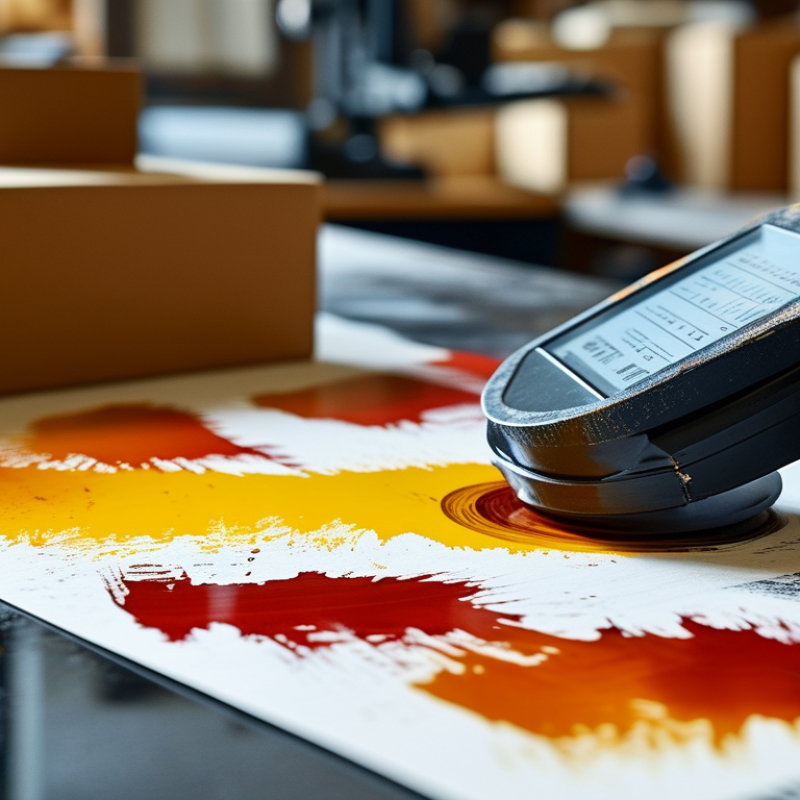
Ink rub resistance testing shows whether printed graphics can survive handling, stacking, and transport. It exposes weak adhesion before damaged cartons reach customers. In practice, a clean-looking sheet can still fail after repeated contact. That surprise is common.
What Factors Affect Ink Rub Resistance Test Results?
Paper moisture is a major variable. ISO 187 recommends conditioning paper at 23 ± 1°C and 50 ± 2% relative humidity. Testing outside this range can change fiber flexibility and surface friction. Keep samples in the test room long enough to stabilize.
Ink formulation also matters. Pigment concentration, binder chemistry, solvent balance, and drying energy influence film strength. A poorly dried ink may smear within minutes. Excessive drying can create a brittle film. Neither result represents normal handling.
The substrate adds another layer of uncertainty. Coated paper, uncoated board, and recycled fiber absorb ink differently. Surface roughness can increase mechanical wear, while a smooth coating may reduce absorption. ASTM D5264 and ISO 2836:2021 provide useful testing frameworks, but they do not remove every laboratory difference. Operators must control rub pressure, stroke count, speed, contact material, and test direction. Small changes matter.
I have seen two operators produce different ratings from identical sheets. The cause was not always the ink. Sometimes, the sample was cut from different areas of the printed sheet. Report conditioning time, instrument settings, ink age, and drying conditions. That detail may feel excessive. It prevents weak conclusions.