Blog

10 Best Bespoke Hydraulic Cylinders Manufacturers?

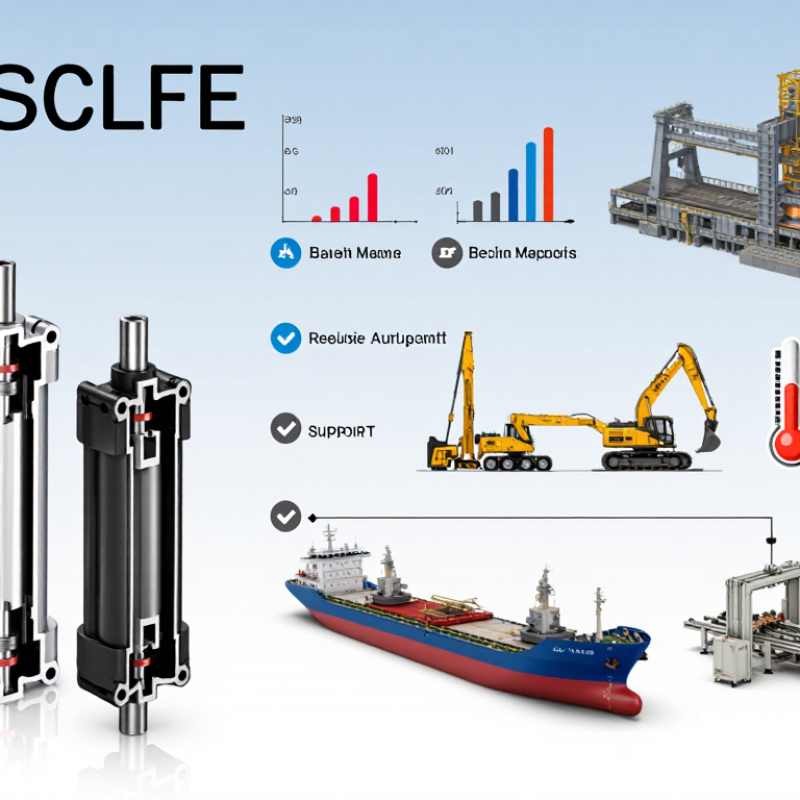
Choosing among the 10 Best Bespoke Hydraulic Cylinders Manufacturers requires more than comparing catalogs or advertised pressure ratings. A cylinder may look suitable on paper, yet fail when side loading, temperature changes, contamination, or repeated impacts enter the application. These details matter in steel mills, mobile equipment, marine systems, and automated production lines.

John Watton, a respected fluid-power researcher and author, wrote, “A hydraulic system must be designed as an integrated whole.” That principle fits Bespoke Hydraulic Cylinders especially well. The barrel, piston rod, seals, ports, mounting points, and control system must work together. A strong manufacturer should therefore provide engineering calculations, material recommendations, dimensional drawings, prototype support, and documented testing. Traceable steel and properly specified coatings also matter. Small choices become expensive later.

This guide evaluates manufacturers through practical criteria, including design capability, pressure performance, sealing technology, corrosion resistance, delivery consistency, customization depth, and after-sales support. It also considers whether suppliers understand real operating conditions, not only laboratory figures. No ranking fits every plant. That is an unavoidable limitation. A manufacturer excellent for a compact agricultural ram may not suit a high-cycle press or offshore actuator. Buyers should verify load data, stroke accuracy, duty cycle, environmental exposure, and maintenance access before approving a supplier. Some specifications may still change during testing. That is not failure; it is part of responsible engineering.
10 Best Bespoke Hydraulic Cylinders Manufacturers?

What Are Bespoke Hydraulic Cylinders and How Are They Used?

Bespoke hydraulic cylinders are made for machines with unusual space, load, or motion requirements. Unlike standard cylinders, they can use custom bore sizes, stroke lengths, mounting points, seals, and materials. Engineers often design them for presses, lifting platforms, agricultural equipment, marine systems, and automated production lines. A cylinder may need to fit inside a narrow steel frame while producing several tonnes of controlled force. Its rod must also resist side loads, corrosion, and repeated impacts.

Good design starts with real operating data. Specify working pressure, peak pressure, speed, stroke, load direction, cycle frequency, temperature, and available installation space. A reliable manufacturer should provide drawings, tolerance details, material certificates, and documented pressure-test results. Experienced engineers also check buckling, seal compatibility, rod finish, and connection strength. A common mistake is choosing a cylinder from force calculations alone. Installation alignment can matter just as much. I have seen small alignment errors create premature seal wear and uneven rod movement.

Tips: Measure twice. Share photographs and clearance drawings before production. Ask how the cylinder will be tested, not merely whether it will be tested. Leave practical room for maintenance and seal replacement. Review the prototype under realistic loads, because laboratory conditions rarely show every vibration or temperature change. Perfect specifications are uncommon; careful feedback usually improves the final design.

How to Evaluate Bespoke Hydraulic Cylinder Manufacturers

10 Best Bespoke Hydraulic Cylinders Manufacturers?

How to Evaluate Bespoke Hydraulic Cylinder Manufacturers

Choosing a bespoke hydraulic cylinder manufacturer requires more than comparing prices. Start by checking its engineering experience with similar loads, stroke lengths, mounting spaces, and operating environments. A capable team should request detailed drawings, pressure data, duty cycles, fluid type, and temperature limits before suggesting a design. Specific questions matter.

Review the manufacturer’s design process. Look for documented calculations, material selection, weld procedures, surface treatments, and dimensional controls. Ask how prototypes are tested under pressure and repeated movement. Test records should identify dates, equipment, measured results, and responsible personnel. Traceable inspection is valuable. So is clear communication.

Production quality also depends on practical details. Check whether the supplier controls seals, rods, tubes, and replacement parts consistently. Confirm tolerances, delivery stages, packaging methods, and after-sales support in writing. A factory may show impressive equipment, yet weak documentation can create avoidable problems. That is easy to miss.

Reliability should be judged through evidence, not confident language. Request anonymized case details, quality certificates, inspection samples, and references for comparable projects. Evaluate how the manufacturer handles design changes, defects, and late deliveries. No process is perfect. A trustworthy supplier admits limitations and explains corrective actions. In my view, that honesty often reveals more than a polished sales presentation.

Key Capabilities of the Top Ten Manufacturers

The best bespoke hydraulic cylinder manufacturers distinguish themselves through engineering depth, not attractive catalogs. They translate load charts, stroke lengths, mounting limits, and duty cycles into practical designs. Experienced teams inspect drawings carefully before machining begins. Small errors in rod diameter or port placement can create expensive installation problems.

Top manufacturers usually offer CAD modeling, finite element analysis, and material selection based on operating conditions. They may specify hardened chrome rods, welded or tie-rod bodies, and seals suited to temperature, pressure, and contamination. Skilled machining keeps bore dimensions and surface finishes consistent. Reliable suppliers also document heat treatments, welding procedures, and component traceability. These details matter when a cylinder works beneath heavy machinery every day.

Testing capability separates capable manufacturers from simple fabricators. Quality teams should perform pressure tests, leakage checks, dimensional inspections, and cycle testing when applications demand it. Clear inspection reports improve confidence. Responsive technical support matters too, especially when field measurements change. However, no supplier is perfect. A confident sales promise cannot replace verified calculations or sample testing. I would question any manufacturer that avoids discussing failure modes, maintenance access, or realistic delivery limits. The strongest partners communicate openly, correct design assumptions, and refine prototypes before full production. Their expertise appears in the small details: protected ports, accessible seals, controlled weld penetration, and packaging that prevents rod damage.

10 Best Bespoke Hydraulic Cylinders Manufacturers? - Key Capabilities of the Top Ten Manufacturers
No. Key Capability What Leading Bespoke Manufacturers Typically Provide Typical Technical Scope How to Evaluate It
1 Application Engineering A documented design process covering load calculations, mounting geometry, stroke requirements, speed, duty cycle, pressure, temperature, and environmental exposure. Single-acting, double-acting, telescopic, plunger, differential, tie-rod, and welded construction. Design review and load validation
2 Custom Dimensional Design Ability to produce cylinders with non-standard bore sizes, strokes, retracted lengths, mounting arrangements, ports, cushions, and rod extensions. Custom dimensions based on equipment envelope, force output, installation access, and maintenance requirements. Approved engineering drawings
3 Pressure and Force Capability Designs selected according to working pressure, peak pressure, static load, dynamic load, buckling risk, and fatigue requirements. Many industrial hydraulic systems operate around 140–250 bar; specialized equipment may require higher ratings. Rated pressure and safety factor
4 Materials and Surface Treatment Material choices for barrels, rods, pistons, glands, and mounts matched to corrosion, wear, impact, temperature, and fluid compatibility. Carbon steel, stainless steel, chrome-plated rods, nickel-based coatings, induction-hardened surfaces, and specialized coatings. Material certificates and coating data
5 Sealing and Fluid Compatibility Seal packages selected for mineral oils, water-glycol fluids, biodegradable fluids, high temperatures, low temperatures, and abrasive conditions. Common seal materials include polyurethane, nitrile rubber, fluorocarbon rubber, PTFE, and other engineered compounds. Fluid, temperature, and leakage testing
6 Manufacturing Precision Controlled machining, honing, welding, grinding, thread production, and assembly processes to maintain alignment and sealing performance. Honed bores, controlled rod straightness, accurate mounting dimensions, and repeatable piston-to-bore fits. Inspection records and dimensional reports
7 Testing and Validation Production testing that may include pressure tests, leakage checks, functional cycling, dimensional inspection, and cleanliness verification. Hydrostatic or hydraulic pressure testing is commonly performed according to the approved design and customer specification. Factory test certificate
8 Certifications and Traceability Quality systems with documented procedures, material traceability, calibration control, nonconformance management, and inspection records. ISO 9001-based quality management is widely used; project-specific requirements may add welding, pressure, or sector standards. Auditable quality documentation
9 Industry Adaptability Experience adapting cylinder designs to mobile equipment, construction machinery, agricultural machinery, material handling, energy, marine, and industrial automation. Design priorities vary from compact packaging and impact resistance to corrosion protection, high cycle life, or precise positioning. Relevant application references
10 After-Sales and Lifecycle Support Availability of spare seals, repair kits, replacement components, troubleshooting assistance, refurbishment, and redesign support. Support may include installation guidance, maintenance intervals, seal replacement instructions, and repairable component designs. Parts availability and technical response

Materials, Design Standards, and Quality Control Considerations

Selecting the right bespoke hydraulic cylinder manufacturer requires more than comparing prices. Materials often determine service life. Carbon steel suits many general applications, while stainless steel performs better in corrosive environments. For demanding loads, engineers may specify hardened piston rods, ductile iron components, or specialized coatings. Every material should match pressure, temperature, fluid compatibility, and expected cycle frequency.

Design standards provide a practical safety framework. A reliable manufacturer should document pressure ratings, dimensional tolerances, welding procedures, and testing methods. Designs may reference recognized hydraulic and quality standards, but compliance should be verified through drawings, inspection records, and traceable certificates. Experienced engineers also review mounting points, side loading, seal selection, and maintenance access. Small oversights become expensive failures.

Quality control should continue from raw material inspection to final pressure testing. Look for calibrated equipment, controlled assembly areas, cleanliness procedures, and recorded test results. Visual checks alone are not enough. Dimensional inspection can reveal misalignment, while leakage testing exposes seal or surface problems. In real projects, communication matters too. A manufacturer that asks detailed questions usually understands custom work better. Still, no process is perfect. Design assumptions can be wrong, and field conditions often differ from the specification. Trial units, feedback, and documented revisions make the final cylinder more dependable.

How to Select the Right Manufacturer for Your Application

Selecting a bespoke hydraulic cylinder manufacturer starts with your application, not a catalogue. Define the required force, stroke length, operating pressure, speed, mounting points, and available space. A cylinder lifting 2,000 kilograms outdoors needs different seals and corrosion protection than one used inside a clean factory. Record temperature, fluid type, side loads, and expected duty cycles. Small omissions here can create expensive redesigns later.

Ask manufacturers for drawings, material certificates, pressure-test records, and evidence of comparable projects. Their engineers should explain piston sizing, rod strength, seal selection, and safety factors in practical language. Check whether they can produce prototypes, inspect welds, and control tolerances during machining. Reliable communication matters when a 2-millimeter change affects installation. Request realistic lead times, spare-seal availability, and clear warranty conditions. Do not judge capability from polished photographs alone.

A useful supplier should welcome technical questions. Ask how they handle contamination, misalignment, and unexpected load spikes. Review their quality system, testing process, and traceability documents. Independent inspection may be worthwhile for critical equipment. I have seen specifications that looked complete but ignored return-line pressure. That mistake was preventable. The right manufacturer may not offer the lowest quotation, but should provide measurable evidence, responsive engineering support, and a design that fits real operating conditions.