Blog

How to Choose the Best Cylinder Manufacturing Solutions?

Choosing the right cylinder manufacturing solutions is crucial in today's industrial landscape. According to a report by MarketsandMarkets, the global cylinder manufacturing market is expected to reach $7.5 billion by 2025, growing at a CAGR of 4.2%. This projection highlights the importance of selecting the optimal solutions to enhance efficiency and reduce costs.

When evaluating cylinder manufacturing options, consider factors such as technology, materials, and production capabilities. Advanced manufacturing technologies like additive manufacturing can significantly improve precision and reduce waste. However, not all suppliers offer the latest innovations, which can lead to missed opportunities for optimization.

It's also vital to reflect on the supplier's track record. Industry leaders often leverage data analytics to drive quality and performance. However, smaller firms may struggle with scalability and adherence to standards. Engaging with experienced manufacturers can help navigate these complexities. Ultimately, the decision should align with both immediate needs and long-term business goals.
How to Choose the Best Cylinder Manufacturing Solutions?

Understanding the Different Types of Cylinder Manufacturing Solutions

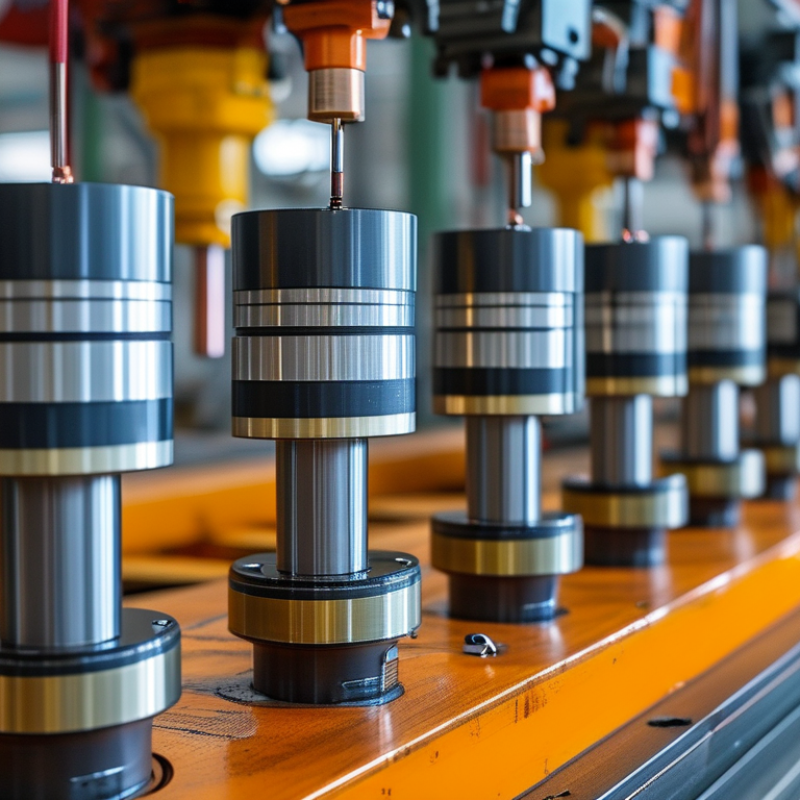
Choosing the right cylinder manufacturing solution is crucial. Understanding the different types can help in making an informed decision. There are several methods available, including machining, casting, and additive manufacturing. Each process has unique strengths and weaknesses.

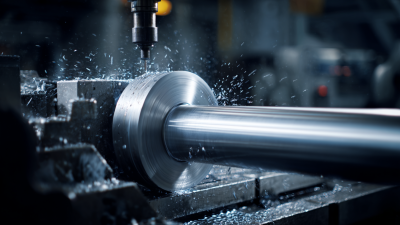
Machining offers precision but can be time-consuming and costly. It’s essential for intricate designs. Casting is ideal for larger, bulkier cylinders but may involve more imperfections. This method is effective for mass production. Additive manufacturing allows for customization but often has limitations in material properties.

When evaluating options for cylinder manufacturing, consider the specific needs of your project. Are high tolerances required? Will the production volume be large or small? These questions will guide your choice.

Pay attention to material choices as well. Different materials impact durability and performance. Sometimes, a less popular choice may suit your needs better than industry standards. Trial and error may also lead to unexpected but beneficial results. Testing prototypes can help you identify the best solution, despite initial challenges.
Key Factors to Consider When Selecting Cylinder Manufacturers

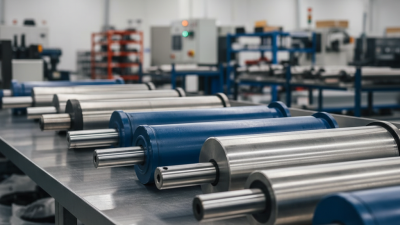
Choosing the right cylinder manufacturer is crucial for achieving high-quality results. Consider the manufacturer's experience in the industry. A provider with a proven track record is more likely to understand the nuances of cylinder production. Look into their history, projects, and customer feedback. Established manufacturers often have refined processes that can lead to better quality control.

Evaluate the materials used in their manufacturing process. Reliable manufacturers source high-grade materials that enhance durability and performance. Inquire about their quality assurance practices. This aspect is vital; poor quality can lead to safety hazards and increased costs over time. When discussing this with potential manufacturers, ask specific questions about their testing methods.

Seek recommendations from industry peers. Personal experiences can be insightful and lead you to competent manufacturers. Make sure to check their certifications and compliance with industry standards. This ensures that they uphold quality and safety regulations. Reach out to previous clients to gauge satisfaction levels.

Look for manufacturers that offer customization options. Not all projects are the same, and your requirements may vary. A provider that can adapt to your needs demonstrates flexibility and understanding. Remember, selecting a manufacturer is not just about cost; it's about long-term value and relationship building.

Focus on the overall service quality. Can they provide timely support? Will they be available for troubleshooting? Your choice should reflect not only their technical capabilities but also their commitment to customer service. These factors will contribute to a smoother collaboration and better end products.

Factors to Consider When Choosing Cylinder Manufacturing Solutions

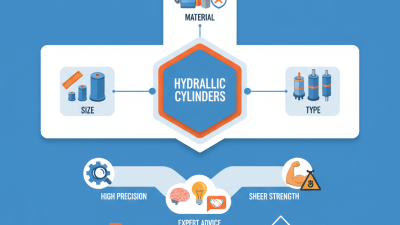
This chart illustrates the importance rating of key factors to consider when selecting cylinder manufacturers. A high rating in 'Material Quality' indicates its critical role in manufacturing processes, followed by 'Manufacturing Precision' and 'Customer Support'. Understanding these factors can help make informed decisions in cylinder manufacturing solutions.

Evaluating the Quality Standards in Cylinder Production

When evaluating the quality standards in cylinder production, several key factors come into play. Material integrity is crucial. High-quality raw materials ensure durability and safety. Look for suppliers who provide transparent information about sourcing and composition. Testing methods should also be a focus. Rigid quality control measures can catch defects early. Manufacturers should employ both non-destructive and destructive testing methods. This increases reliability.

Certifications matter in cylinder manufacturing. An ISO certification indicates adherence to international standards. It reflects a commitment to excellence. However, not all certifications are equal. Research each standard to understand its significance. A manufacturer might boast multiple certifications, but they should be applicable to your specific needs.

Customer testimonials can provide insight into the production process. Reach out for reviews or case studies. A supplier with a solid track record is more likely to produce reliable products. Keep in mind that every provider has room for improvement. Consistent feedback and a willingness to adapt are vital for long-term partnerships. Engage in discussions about quality regularly. This creates a culture of continuous improvement.

Analyzing Cost-Effectiveness of Cylinder Manufacturing Options

When choosing cylinder manufacturing solutions, cost-effectiveness is crucial. Understanding the different manufacturing processes can help refine your choices. Consider the production scale. Large production runs may benefit from automated processes, while smaller batches could be more cost-effective with manual techniques. This choice greatly influences initial investment and ongoing costs.

Examine materials and sourcing options. Costs for raw materials vary widely. Some materials might react favorably in specific environments, extending the lifespan of cylinders. However, they may come with a higher upfront cost. Research local suppliers. The shipping costs can also eat into your budget. Sometimes, local materials balance cost with availability.

Analyzing machine capabilities is vital. High-tech machinery can lead to better precision and lower defect rates. However, the initial purchase or lease costs might be daunting. Assess whether the longer-term benefits justify the higher expense. Lastly, always calculate potential maintenance costs with any solution. Balancing upfront investments with long-term savings can lead to the best decision for your cylinder manufacturing needs.

Exploring Technological Advancements in Cylinder Manufacturing Techniques

Technological advancements in cylinder manufacturing techniques are reshaping the industry landscape. Automation has become key. According to a recent report by the International Federation of Robotics, the global industrial robot market is projected to grow at an annual rate of 15%. This highlights the importance of adopting robotic solutions for efficiency.

3D printing is another revolutionary technology. Its ability to create complex geometries in short time spans allows manufacturers to produce customized cylinders rapidly. A study from McKinsey notes that 3D printing can reduce production costs by 40% compared to traditional methods. Such savings make it appealing, although the initial investment can still be significant.

However, challenges exist. Many firms struggle to integrate these technologies effectively. Data from the Manufacturing Institute reveals that 60% of manufacturers report skills gaps in their workforce. This gap can hinder the adoption of advanced manufacturing processes. As manufacturers navigate these hurdles, continuous training and upskilling remain crucial for success.